October 28, 2026
Winter brings freezing temperatures, heavy snowfall, and unpredictable weather conditions that can put significant pressure on your home's plumbing system. While homeowners often focus on preparing their heating systems and insulating their living spaces, plumbing maintenance is equally important. Frozen pipes, unexpected leaks, and malfunctioning water heaters can quickly turn a comfortable winter day into a stressful and expensive situation. Fortunately, working with a professional plumber before temperatures drop can help prevent these problems and keep your household running smoothly.
Preparing your plumbing system for winter involves more than simply checking for visible leaks. It requires evaluating vulnerable pipes, inspecting essential fixtures, and identifying potential problems before they escalate. A local plumber understands the challenges that cold weather presents and can recommend practical solutions tailored to your home's needs. With professional guidance and preventive maintenance, homeowners can protect their plumbing infrastructure, improve efficiency, and enjoy greater peace of mind throughout the colder months.
Inspecting Pipes to Prevent Freezing
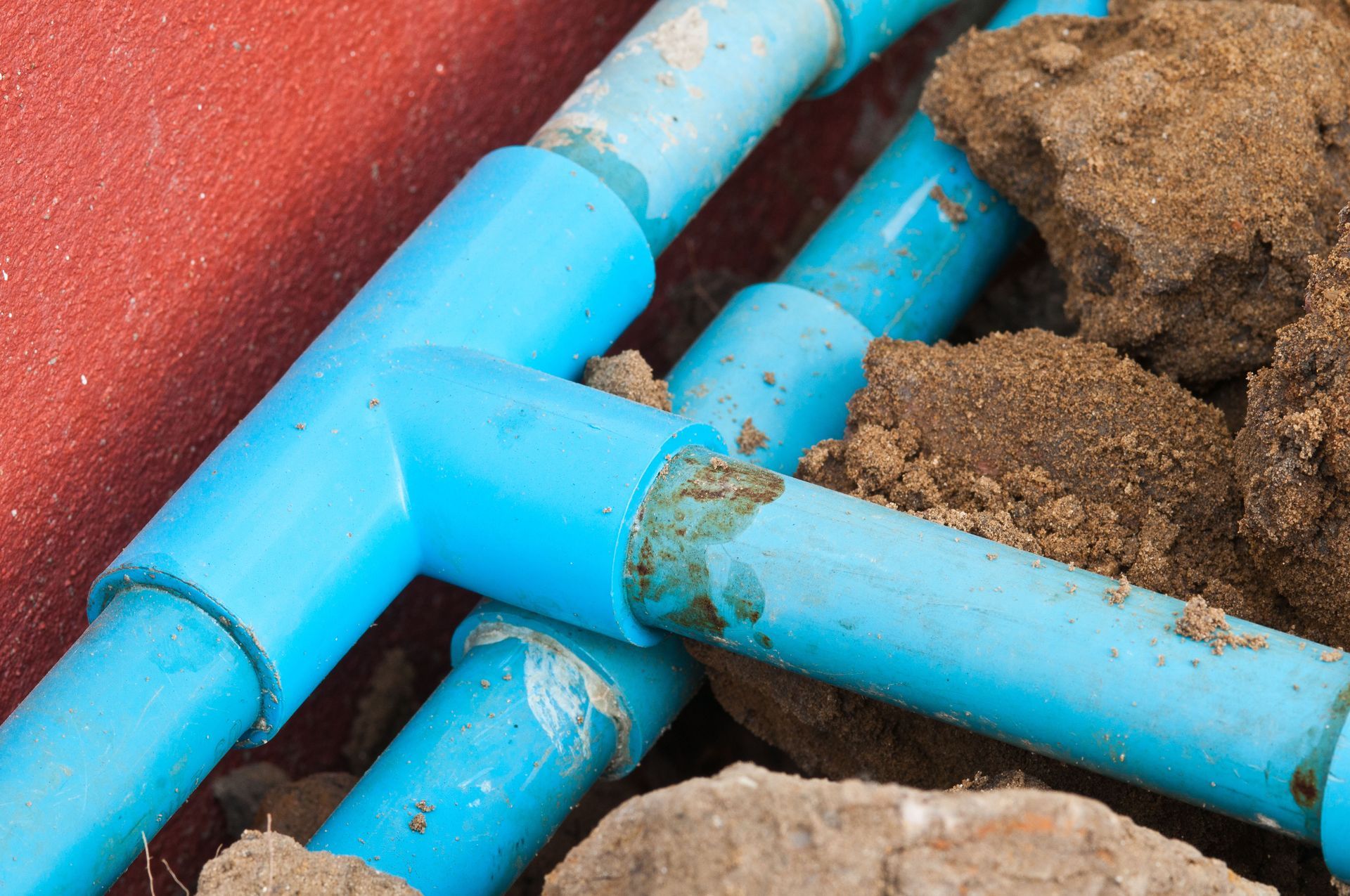
One of the most important steps in winter plumbing preparation is identifying pipes that could freeze when temperatures fall below freezing. Pipes located in unheated basements, crawl spaces, garages, and exterior walls are particularly vulnerable. When water freezes inside a pipe, it expands and creates pressure that can cause the pipe to crack or burst.
A professional plumber can inspect exposed and concealed plumbing areas to identify potential freezing risks. During this inspection, the technician may recommend adding insulation around vulnerable pipes or improving protection in areas exposed to cold air.
Pipe insulation helps maintain more consistent temperatures and reduces the likelihood of freezing during extreme weather. However, insulation alone may not be sufficient in areas that experience prolonged freezing conditions. A plumber can evaluate whether additional measures, such as approved heat cables or improved air sealing, would provide better protection.
Addressing these vulnerabilities before winter arrives can help homeowners avoid water damage, emergency repairs, and disruptions to their daily routines.
Identifying Leaks to Prevent Water Damage
Even small plumbing leaks can become serious problems during winter. Minor cracks, loose connections, and deteriorating seals may worsen as temperatures fluctuate. When these issues go unnoticed, they can contribute to moisture damage, mold growth, and unnecessary water consumption.
A local plumber can perform a comprehensive inspection of faucets, supply lines, exposed pipes, and plumbing connections to identify signs of leakage. Water stains, unusual moisture, reduced water pressure, and unexplained increases in water bills may indicate an underlying problem.
Professional leak detection is particularly valuable because not every plumbing issue is immediately visible. Some leaks develop behind walls, beneath flooring, or inside other difficult-to-access locations.
By identifying and repairing leaks before freezing weather begins, homeowners can reduce the likelihood of unexpected plumbing emergencies. Early repairs also help preserve surrounding building materials and support the long-term reliability of the home's plumbing system.
Maintaining Water Heaters to Prevent Breakdowns
Hot water becomes especially important during winter, when households rely on it for comfortable showers, laundry, and everyday cleaning. Unfortunately, colder incoming water temperatures can increase the workload placed on water heaters.
A professional plumber can inspect your water heater to determine whether it is operating safely and efficiently. Depending on the system, maintenance may involve checking connections, examining the temperature and pressure relief valve, evaluating the heating components, and addressing sediment accumulation.
Over time, minerals and sediment can collect inside traditional tank water heaters. This buildup may reduce heating efficiency, create unusual noises, and contribute to premature equipment wear.
According to Therma.com, most plumbing services should undergo professional maintenance once a year. Scheduling a water heater inspection before winter can support this preventive maintenance strategy while helping homeowners identify potential equipment concerns.
A properly maintained water heater is better positioned to deliver dependable performance when household demand increases during colder weather.
Protecting Outdoor Fixtures to Prevent Freezing
Outdoor plumbing fixtures are often overlooked during seasonal home maintenance. However, garden hoses, exterior faucets, irrigation connections, and outdoor supply lines can be especially vulnerable to freezing temperatures.
Water remaining inside these components can freeze and expand, potentially damaging fixtures and connected pipes. In some cases, damage may develop inside the home's walls, making it difficult to detect until warmer weather returns.
A local plumber can help homeowners prepare outdoor plumbing systems by inspecting exterior faucets and identifying the appropriate shutoff and drainage procedures.
Disconnecting garden hoses before freezing weather is an important preventive measure. Homeowners should also understand whether their exterior faucets are frost-resistant and whether additional winterization steps are necessary.
For properties with irrigation systems, proper seasonal drainage or winterization may be necessary to protect underground lines and equipment.
Professional assistance helps ensure that outdoor plumbing components receive appropriate protection without creating unnecessary risks to the system.
Clearing Drains to Prevent Blockages
Winter weather can make plumbing problems especially inconvenient, particularly when households spend more time indoors. Increased cooking, cleaning, and entertaining can place additional demands on kitchen sinks, bathroom drains, and wastewater systems.
Over time, grease, soap residue, hair, and other debris can accumulate inside drainpipes. These materials gradually restrict water flow and may eventually cause stubborn blockages.
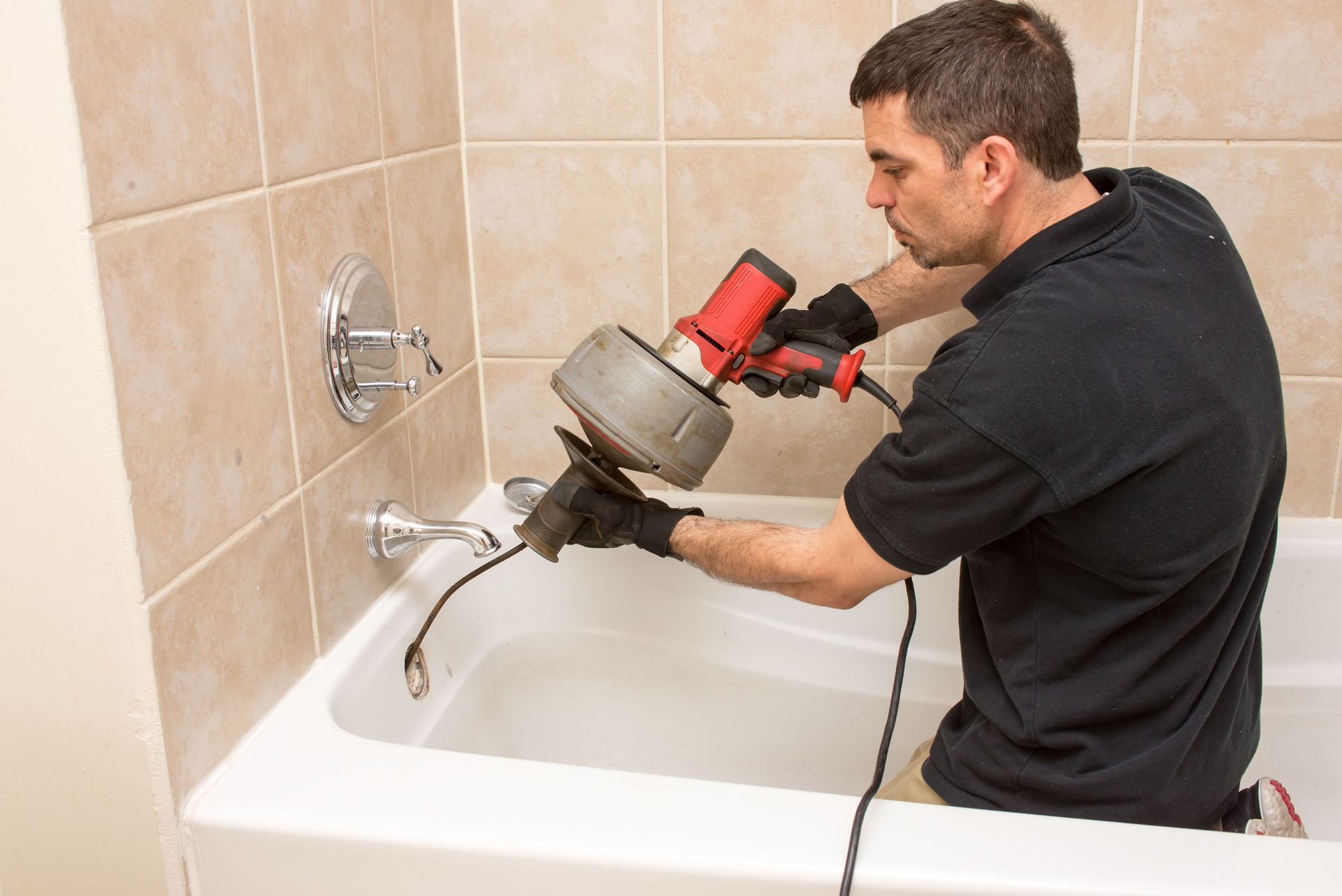
A professional plumber can inspect slow-moving drains and recommend appropriate cleaning methods to restore proper drainage. Addressing minor clogs before winter helps reduce the likelihood of unexpected backups during periods of increased household activity.
Drain maintenance can also reveal underlying issues, including damaged pipes, recurring obstructions, or sewer line concerns. Identifying these problems early allows homeowners to schedule necessary repairs before they develop into larger disruptions.
Checking Water Pressure to Prevent Plumbing Strain
Water pressure plays an important role in the performance and longevity of residential plumbing systems. Excessively high pressure can place unnecessary stress on pipes, valves, fixtures, and appliance connections. Conversely, unusually low pressure may indicate leaks, mineral buildup, or other plumbing concerns.
Before winter arrives, a local plumber can evaluate household water pressure and determine whether adjustments or repairs are necessary.
Homes equipped with pressure-reducing valves may benefit from inspections to confirm that these components are functioning correctly. A malfunctioning valve can allow excessive pressure to develop, increasing wear on plumbing infrastructure.
Consistent water pressure also contributes to the dependable operation of showers, washing machines, dishwashers, and other water-dependent appliances.
By addressing pressure irregularities during a seasonal inspection, homeowners can help protect their plumbing investments and improve everyday convenience.
Preparing Emergency Shutoffs to Prevent Extensive Damage
Even with preventive maintenance, unexpected plumbing emergencies can occur. Knowing how to respond quickly can significantly reduce the extent of potential water damage.
One of the most valuable preparations involves locating and inspecting the home's main water shutoff valve. This valve allows homeowners to stop the water supply when a pipe bursts or another serious leak develops.
A professional plumber can identify the main shutoff valve, verify that it operates correctly, and explain how to use it during an emergency.
Older shutoff valves may become difficult to operate because of corrosion, mineral accumulation, or mechanical wear. Replacing a damaged or unreliable valve before winter can make emergency response more effective.
Homeowners should also understand the locations of individual fixture shutoffs, particularly those serving toilets, sinks, and major appliances.
Preparing your home for winter is an important investment in comfort, safety, and long-term property protection. From insulating vulnerable pipes and inspecting water heaters to clearing drains and checking emergency shutoff valves, professional maintenance can help prevent avoidable disruptions. Working with an experienced plumber provides the expertise needed to identify potential problems and implement reliable solutions before colder weather arrives.
If you're ready to prepare your plumbing system for winter, Tru-Flo Plumbing is here to help. Serving Vidor, Bridge City, and the surrounding Golden Triangle area of Texas, our experienced team provides dependable plumbing inspections, maintenance, and repairs designed to keep your home running smoothly. Contact Tru-Flo Plumbing today to schedule professional plumbing services and get your home ready for the winter!