February 23, 2026
Eco-friendly plumbing upgrades are no longer niche improvements reserved for green homes—they are practical, cost-saving solutions that fit almost any household. If you have ever opened a utility bill and wondered where all that water and energy went, you are not alone. Many homeowners are quietly losing money through inefficient fixtures, outdated systems, and small leaks that add up over time without obvious warning signs. The good news is that modern plumbing technology makes it easier than ever to conserve resources without sacrificing comfort, and local plumbing services play a key role in helping homeowners make smart, lasting upgrades that actually perform as promised.
This article walks through eco-friendly plumbing improvements in a clear, approachable way, focusing on how they work, why they matter, and how they save money in the long run. Think of it as a conversation about practical upgrades that make sense for real households, not just ideal scenarios or brand-new homes. These solutions can be phased in over time, prioritized by budget, and tailored to everyday needs. By the end, you will see how small changes can create measurable savings while supporting long-term sustainability and peace of mind.
Understanding the Value of Eco-Friendly Plumbing
Eco-friendly plumbing is about efficiency, not inconvenience. Traditional plumbing systems were designed when water was cheaper and conservation was not a priority, which explains why so many homes waste water without homeowners realizing it. According to Service Titan, household leaks from pipes and faucets account for almost 10,000 gallons of wasted water per year. That wasted water translates directly into higher bills, unnecessary energy use, and added stress on local water systems that homeowners ultimately help fund.
Beyond individual savings, eco-friendly plumbing helps communities manage water demand and energy use more responsibly. When households reduce consumption, municipalities spend less on treatment, pumping, and infrastructure expansion, which stabilizes costs over time. These upgrades also reduce the risk of emergency repairs caused by aging systems or unnoticed leaks. Partnering with experienced local plumbing services ensures upgrades are installed correctly, perform as expected, and comply with local codes, which protects both your investment and your home.
Reducing Water Waste With Low-Flow Fixtures
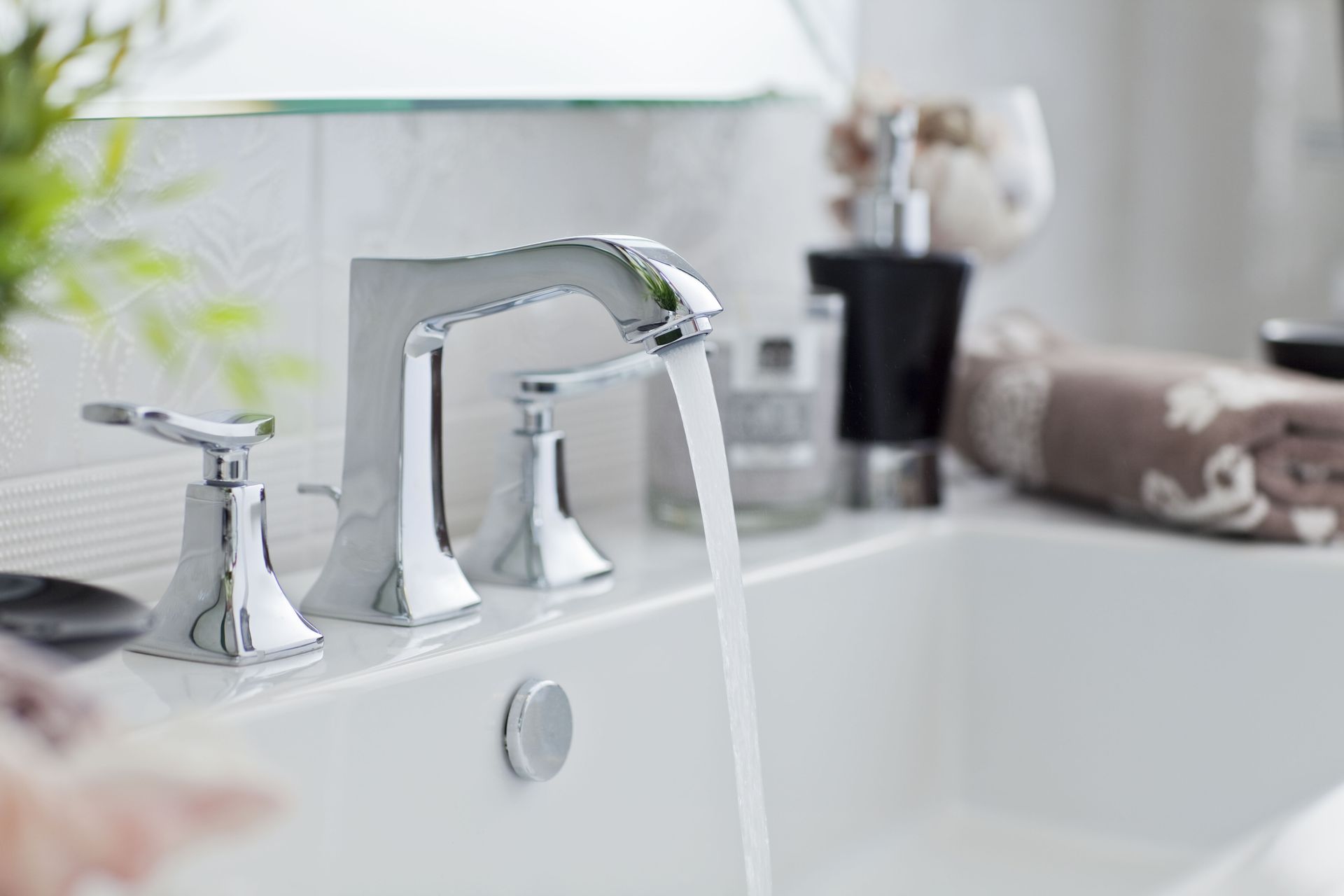
Low-flow faucets and showerheads are often the first eco-friendly upgrade homeowners consider, and for good reason. These fixtures are designed to use significantly less water while maintaining comfortable pressure, so daily routines do not feel disrupted or downgraded. The technology relies on aeration and precise flow control rather than simply restricting water, which is why modern low-flow fixtures feel very different from older models.
From a cost perspective, low-flow fixtures start paying for themselves almost immediately through lower water bills. Over time, those savings compound, especially in households with multiple bathrooms, frequent guests, or higher daily usage. Many homeowners also appreciate the reduced strain on water heaters since less hot water is being used. Local plumbing services can help select fixtures that match your home’s layout and water pressure, ensuring performance meets expectations from day one.
Improving Efficiency With Dual-Flush Toilets
Toilets are one of the largest sources of indoor water use, which makes them a prime opportunity for meaningful savings. Dual-flush toilets give users two options: a lower-volume flush for liquid waste and a full flush for solid waste. This simple design encourages smarter water use without requiring homeowners to change habits or think twice about sanitation.
While the upfront cost is higher than traditional toilets, the long-term savings are substantial, particularly in busy households. Over years of daily use, reduced water consumption leads to noticeable reductions in utility expenses and overall water demand. These systems also tend to perform better than older toilets that require double flushing. Professional installation through local plumbing services helps prevent common issues like improper sealing or inefficient flushing that can undermine performance.
Lowering Energy Costs With Tankless Water Heaters
Tankless water heaters change how homes produce hot water by heating it on demand rather than storing it in a tank. This approach eliminates standby energy loss, which is one of the biggest inefficiencies in traditional water heaters. The result is lower energy usage, less wear on the system, and more consistent hot water availability throughout the home.
Although tankless systems cost more upfront, they often last longer and reduce monthly energy bills. Many homeowners also value the space-saving design and the ability to run multiple hot-water appliances at once. For homeowners focused on long-term value, this balance makes them an appealing option. Working with local plumbing services is especially important here, as proper sizing and installation directly affect efficiency, performance, and lifespan.
Saving Resources With Rainwater Harvesting Systems
Rainwater harvesting systems capture runoff from roofs and store it for non-potable uses such as irrigation, landscape watering, and other outdoor applications. This approach reduces dependence on treated municipal water for tasks that do not require drinking-quality water, which can be a significant expense in warmer climates or during prolonged dry seasons. For homeowners with lawns, gardens, or irrigation systems, the savings can be noticeable over time. Even simple rain barrel setups or basic storage systems can offset thousands of gallons of water use annually without interfering with indoor plumbing or daily routines.
In addition to lowering water bills, rainwater harvesting helps reduce strain on local stormwater systems by slowing and capturing runoff during heavy rains. This can minimize soil erosion, pooling, and drainage issues around the home, particularly in areas prone to flooding or compacted soil. On a larger scale, reduced runoff means less pressure on municipal drainage infrastructure and a lower risk of contaminants entering nearby waterways. These benefits extend beyond individual households and support broader environmental goals tied to water conservation and sustainable land use. Local plumbing services can design systems that integrate smoothly with existing plumbing, ensure proper filtration and storage, and comply with local regulations, making rainwater harvesting both practical and reliable.
Optimizing Water Use Through Thoughtful Plumbing
Reducing water waste does not always require advanced recycling systems or major infrastructure changes. Many homes can improve efficiency simply by optimizing how water moves through existing plumbing, fixtures, and irrigation connections. Simple adjustments, such as separating outdoor water lines, improving drainage efficiency, or upgrading fixtures that use water more efficiently, can noticeably reduce overall consumption. These practical changes help homeowners get more value from every gallon without introducing complex systems.
Focusing on smarter plumbing design also makes it easier to stay compliant with local regulations and avoid unnecessary maintenance concerns. Homeowners benefit from lower water bills, fewer strain-related plumbing issues, and improved system reliability over time. When these improvements are planned thoughtfully, they support conservation goals while remaining realistic for most households. Working with knowledgeable local plumbing services ensures water-saving strategies are tailored to the home, code-compliant, and built for long-term performance.
Preventing Losses With Proactive Leak Detection
Leaks are one of the most expensive and least visible plumbing problems. Small drips may seem insignificant, but over time, they waste water, increase bills, and cause structural damage behind walls or under floors. Small leaks may seem harmless, but over the course of a year, they can waste an astonishing amount of water in a single household. Modern leak detection tools make it easier to identify issues early, before they escalate into costly repairs. Routine inspections and maintenance plumbing services help homeowners protect both their property and their budget, proving that prevention is far more affordable than emergency repair.
Eco-friendly plumbing upgrades are not about sacrificing comfort or convenience; they are about using smarter systems that work better over time. From low-flow fixtures and dual-flush toilets to tankless water heaters and water reuse systems, each upgrade contributes to lower bills and reduced environmental impact. When combined, these improvements can transform how a home uses water and energy. The most successful upgrades start with informed decisions and reliable installation. Partnering with trusted local plumbing services ensures these systems deliver real savings and long-term performance. For homeowners ready to take the next step, Tru-Flo Plumbing can help you explore eco-friendly plumbing solutions that save money while supporting a more sustainable future.