September 30, 2026
Water pressure affects nearly every part of a plumbing system, from showers and faucets to washing machines and water-using appliances. When pressure becomes too low, too high, or inconsistent, everyday tasks can become inconvenient and may indicate an underlying problem within the plumbing system. Professional plumbers evaluate pressure concerns by looking beyond the fixture where the symptom appears and examining supply lines, valves, pipes, and equipment. A careful assessment helps determine whether the issue is isolated to one fixture or connected to a larger plumbing condition.
Assess Household Water Pressure
Plumbers begin by evaluating the pressure being delivered throughout the property. This assessment can involve checking pressure at multiple fixtures and determining whether readings remain consistent across different areas of the building. Comparing these conditions helps distinguish between a localized fixture problem and a broader supply issue. The findings give the technician a clearer direction for determining which components require additional inspection or service.
Water pressure can vary because of several factors, including municipal supply conditions, plumbing configuration, pipe condition, or pressure-regulating equipment. Older systems may also develop restrictions that affect how efficiently water moves through the property. A sudden change can provide useful information about when the problem began and whether another plumbing event may have contributed to it. Evaluating these details creates a more complete picture of the system before repairs are planned.
Identify Causes of Low Pressure
Low water pressure can make showers, faucets, and other fixtures perform poorly. Plumbers may investigate partially closed valves, restricted supply lines, clogged components, corroded pipes, or problems affecting the property's incoming water supply. The location and timing of the pressure loss can help narrow the possible causes. A professional inspection is particularly useful when several fixtures experience reduced pressure at the same time.
Pipe buildup can restrict the internal passage available for water to travel through a plumbing system. In older metal piping, corrosion and mineral accumulation may gradually reduce flow and create increasingly noticeable pressure problems. A technician can examine accessible components and evaluate whether pipe condition may be contributing to the symptoms. Depending on the findings, appropriate service may involve repairing a component, replacing a damaged section, or addressing a larger plumbing concern.
Investigate High Pressure Conditions
Excessive water pressure can be just as concerning as insufficient pressure. When pressure remains higher than the plumbing system is designed to handle, fixtures, connections, and appliances may experience greater stress over time. Plumbers can measure system pressure and examine equipment such as pressure-reducing valves when high readings are identified. This process helps determine whether the pressure relates to a control component, supply condition, or another system issue.
High pressure may also contribute to dripping faucets, noisy pipes, or premature wear on plumbing components. According to Service Titan, household leaks from pipes and faucets result in nearly 10,000 gallons of wasted water each year. This figure illustrates why seemingly minor leaks deserve attention when they persist or occur alongside pressure changes. Addressing an underlying pressure condition can help protect plumbing components and reduce unnecessary water loss.
Examine Pressure-Reducing Valves
Pressure-reducing valves regulate incoming water pressure in properties where supply pressure requires control. When these valves become worn, improperly adjusted, or unable to regulate pressure effectively, residents may notice changes throughout the plumbing system. A professional can inspect the valve and compare its operation with pressure readings observed at the property. This provides useful information about whether the component is contributing to the problem.
A pressure-regulating component may also behave differently as system conditions change. For that reason, a single reading may not always tell the full story when pressure fluctuates at different times. Technicians can consider pressure behavior throughout the property and examine related components before determining appropriate service. A complete evaluation helps prevent the focus from remaining on one component when the underlying cause involves several connected parts.
Evaluate Water Supply Lines
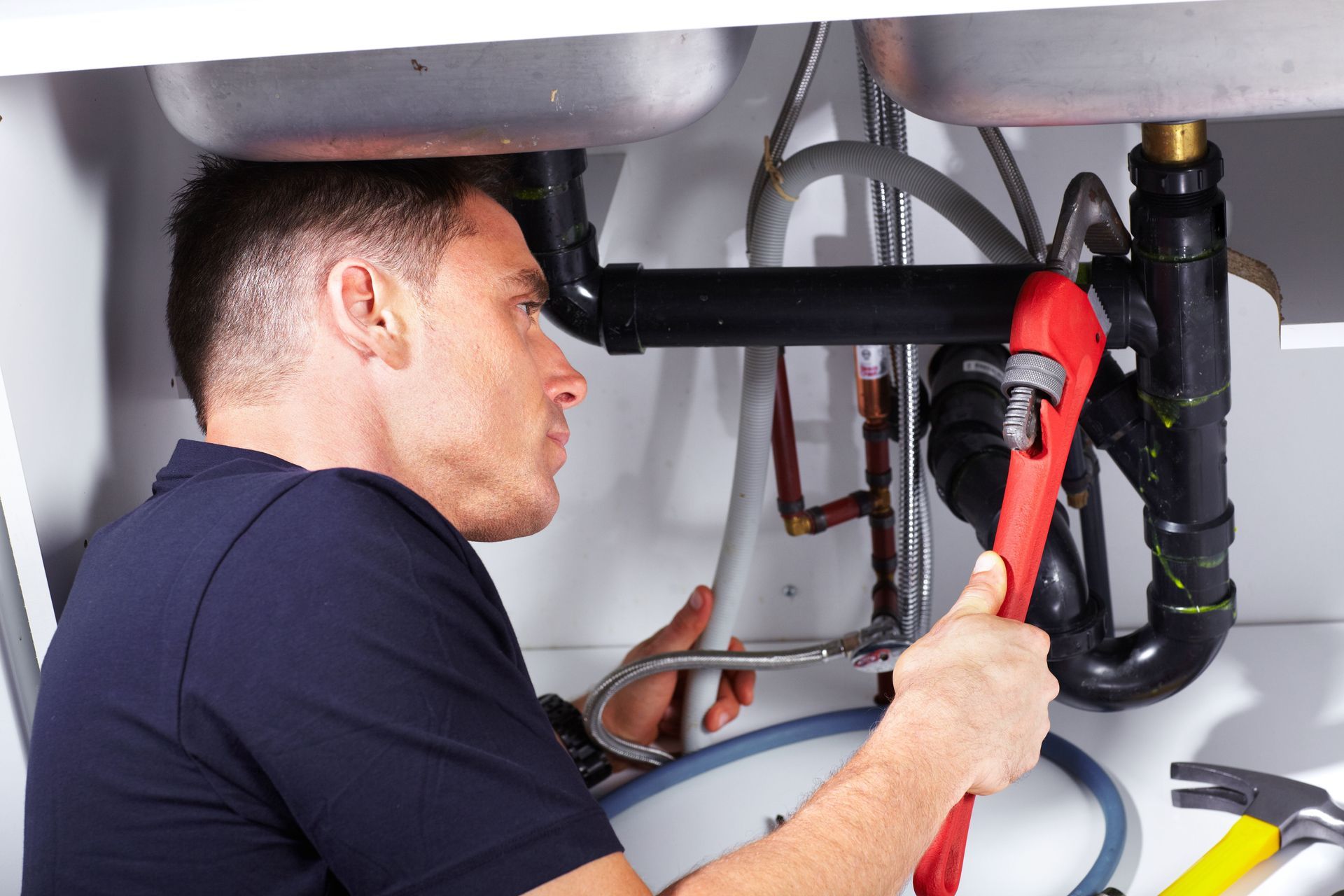
The condition of supply lines can influence how effectively water reaches individual fixtures. Plumbers inspect accessible lines for signs of corrosion, damage, restrictions, or other conditions that may interfere with normal flow. They may also consider whether a pressure problem affects one branch of the plumbing system or multiple areas. This distinction can help determine the scope of the required service.
Supply-line problems can appear differently depending on where a restriction or damaged section occurs. A fixture located downstream from a compromised section may experience reduced pressure while other fixtures continue operating normally. If pressure loss is widespread, the technician may investigate portions of the system closer to the property's main water entry point. Evaluating the path of water movement allows service to address the source rather than only the visible symptom.
Inspect Faucets and Fixture Components
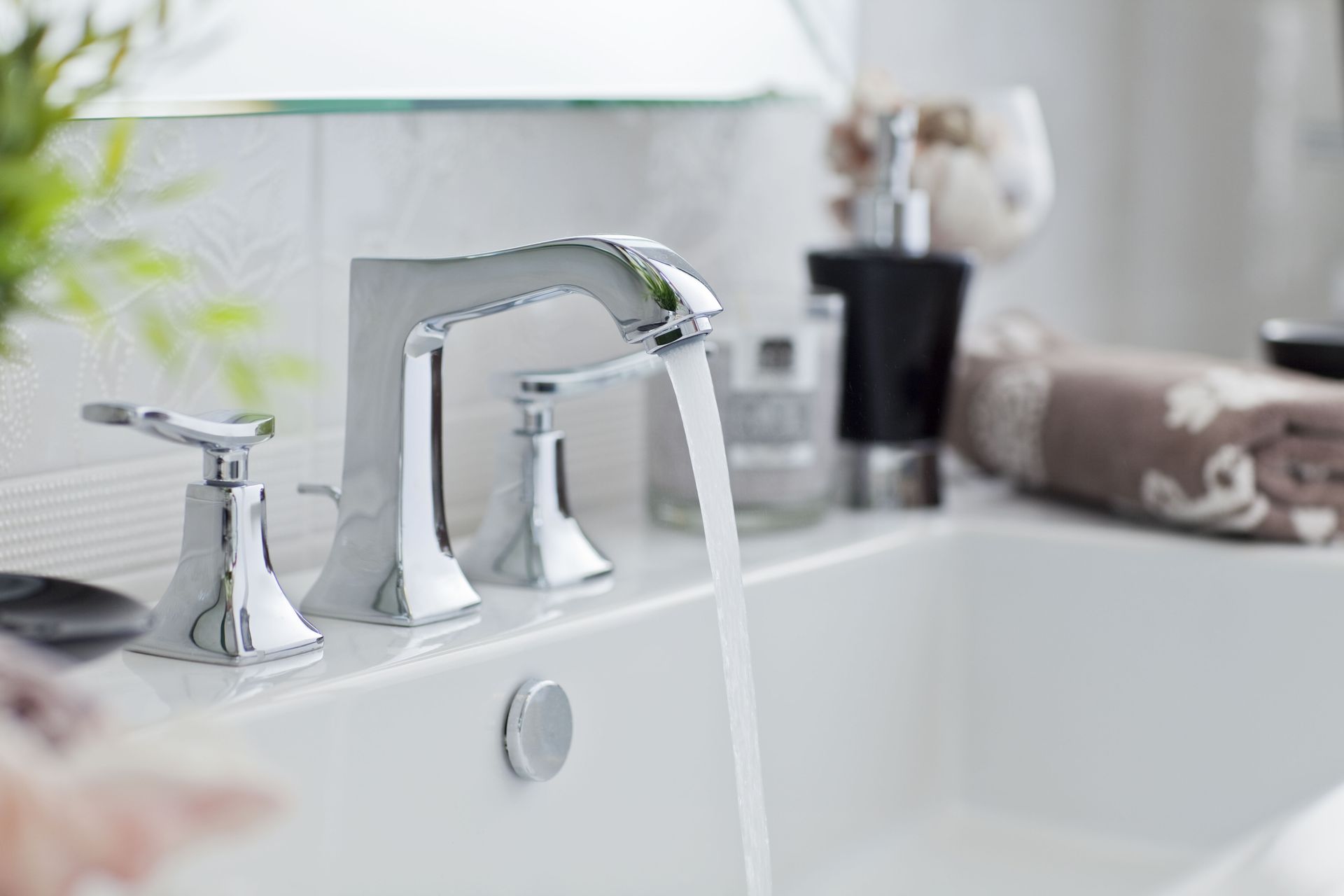
Not every pressure complaint originates within the main plumbing system. Aerators, cartridges, shutoff valves, shower components, and other fixture parts can become restricted or develop mechanical problems that affect water flow.
Plumbers can inspect these components to determine whether the pressure issue is isolated to a particular fixture. Identifying a localized problem can prevent unnecessary work on unaffected sections of the plumbing system.
Fixture inspections are particularly useful when only one faucet, shower, or appliance appears to have reduced flow. The technician can compare the affected fixture with others and assess whether the difference points toward a component-specific issue. If the fixture itself is functioning properly, the inspection can move toward the supply line or other plumbing components serving that location. This methodical approach helps establish where the problem actually begins.
Check Water Heaters and Connected Equipment
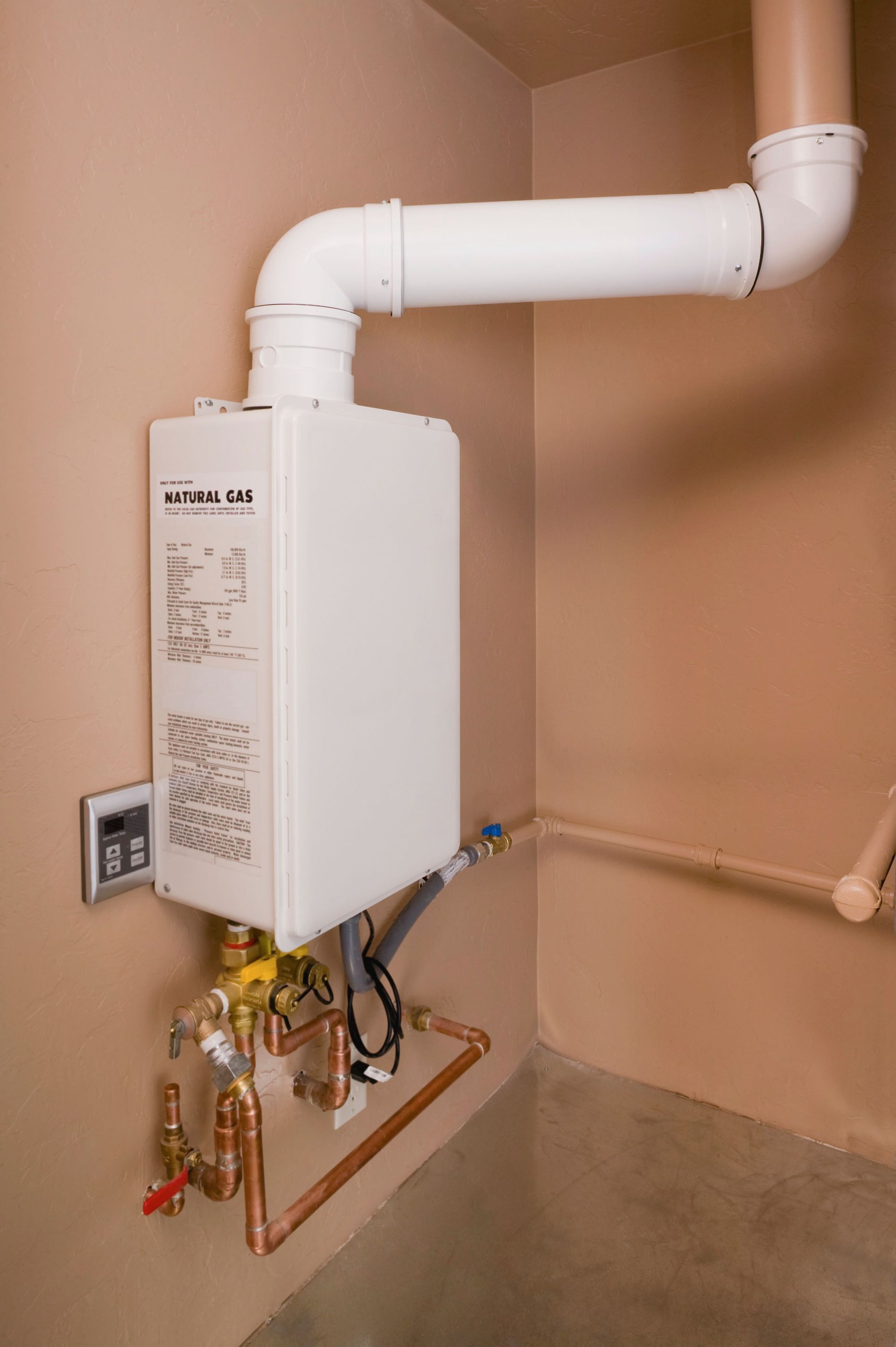
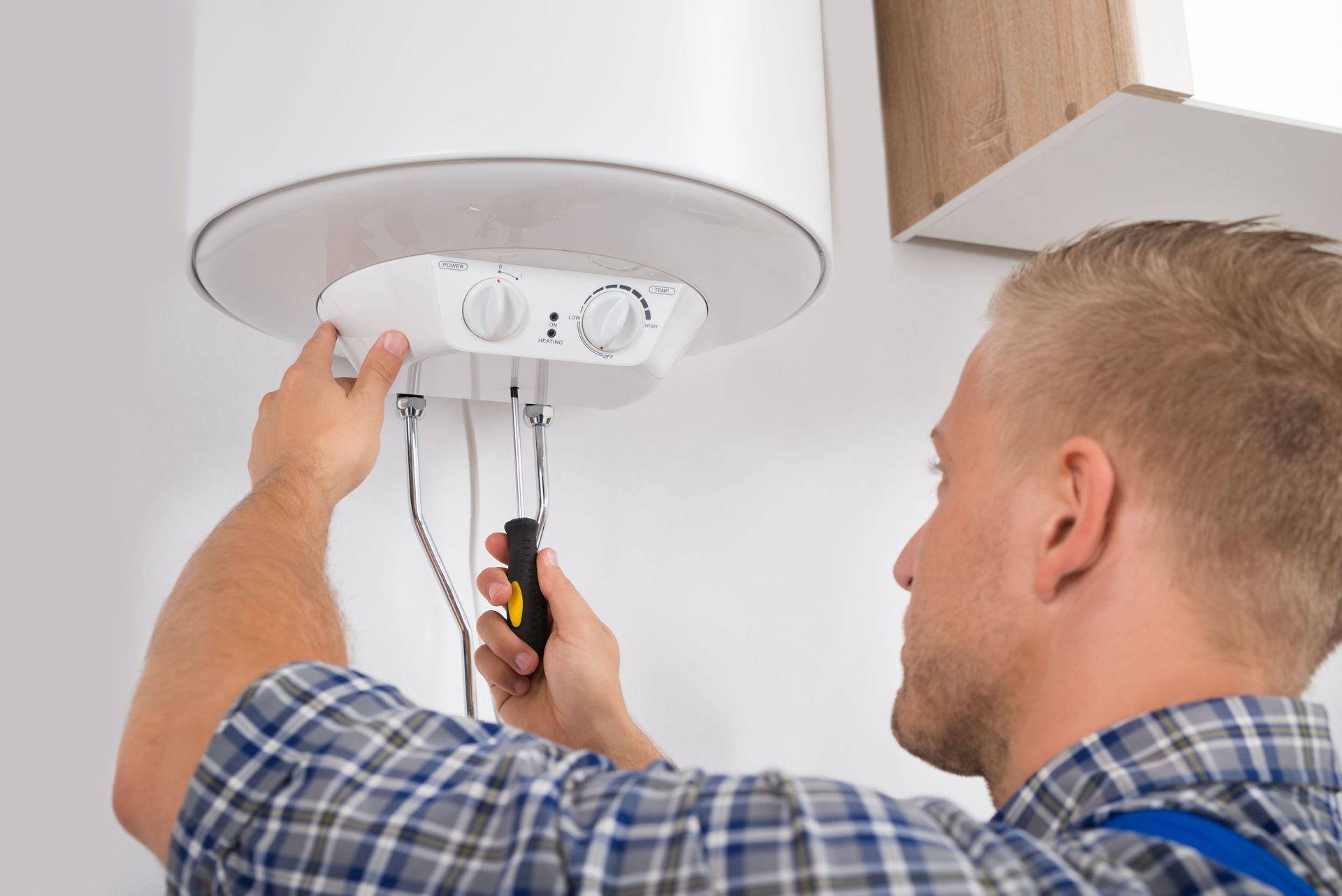
Water pressure complaints can sometimes be associated with equipment that interacts with the plumbing system. Water heaters, filtration equipment, softeners, and other connected components can influence flow through portions of a property's water distribution network. A professional can review these connections when symptoms suggest that equipment may be affecting pressure. Examining connected systems is especially relevant when pressure problems occur only under certain usage conditions.
Hot-water pressure problems may also differ from cold-water pressure problems. If reduced flow occurs primarily at hot-water fixtures, the technician can focus attention on the water heater, associated valves, and hot-water piping. Comparing hot and cold performance provides another way to narrow the source of a pressure concern. The assessment can then determine whether equipment service or plumbing repairs are appropriate.
Address Pressure Changes Across Multiple Fixtures
When pressure changes affect several fixtures at once, the issue may involve a shared portion of the plumbing system. A technician can compare conditions throughout the property and identify patterns that point toward a common source. Changes across multiple rooms may require attention to the main supply, regulating equipment, or larger sections of piping. Recognizing these patterns helps establish whether service should address one location or a broader system condition.
Intermittent pressure changes require additional consideration because the system may appear normal during part of an inspection. Professionals can evaluate when the pressure changes occur, which fixtures are affected, and whether the condition corresponds with other water usage. These observations provide useful context for evaluating fluctuating symptoms. A thorough assessment can then focus on components most likely to explain the changing pressure.
Tru-Flo Plumbing provides professional plumbing services for property owners dealing with water pressure concerns and related system problems. Our team can evaluate pressure conditions, inspect relevant plumbing components, and identify services that address the source of the issue. We focus on clear communication and practical solutions tailored to the condition of each plumbing system. Contact Tru-Flo Plumbing when you need professional help evaluating inconsistent, low, or excessive water pressure in your property.