March 25, 2026
Preventative plumbing service is a proactive approach to maintaining the health of a building's plumbing system. By identifying and addressing potential issues before they escalate into serious problems, homeowners can avoid costly repairs and the inconvenience of unexpected emergencies. Regular inspections, cleaning, and monitoring help keep water systems functioning efficiently throughout the year. Preventative care allows homeowners to detect warning signs early and address them before they lead to larger failures. Over time, consistent maintenance helps protect property value and ensures that a home’s plumbing infrastructure remains dependable.
1. The Basics of Preventative Plumbing Maintenance
What Is Preventative Plumbing Maintenance?
Preventative plumbing maintenance focuses on routine inspections and upkeep designed to stop issues before they occur. This approach includes checking pipes, drains, and fixtures for early signs of wear or deterioration. According to the International Association of Plumbing and Mechanical Officials, pipe corrosion and buildup are the two leading causes of plumbing system failure in older buildings, which highlights why consistent inspections and cleaning are so important. By identifying weaknesses early, professionals can address them before they evolve into major failures such as pipe bursts or severe clogs. Many homeowners rely on a trusted plumbing service to perform these inspections because experienced technicians can detect hidden problems that might otherwise go unnoticed. This proactive strategy provides homeowners with greater control over their plumbing systems and reduces the likelihood of sudden emergencies.
Key Components of a Maintenance Plan
An effective preventative plumbing plan includes several routine tasks. Inspecting pipes, faucets, and drains for corrosion or leaks is a key first step. Cleaning drainage systems helps prevent buildup that may eventually lead to blockages. Monitoring water pressure ensures pipes are not subjected to excessive stress. Water heater inspections and maintenance also help maintain consistent hot water performance. When these components are addressed regularly, plumbing systems are more likely to operate efficiently for many years.
Reactive vs. Preventative Maintenance
Reactive maintenance occurs only after a plumbing issue has already developed. This often results in emergency calls, costly repairs, and inconvenient disruptions. Preventative maintenance, however, focuses on avoiding these issues entirely. Through regular inspections and minor repairs, homeowners can reduce the risk of large-scale failures. This approach encourages long-term reliability and helps homeowners avoid repeated emergency situations. Choosing a preventative strategy ultimately extends the lifespan of plumbing infrastructure.
The Role of Professional Plumbers
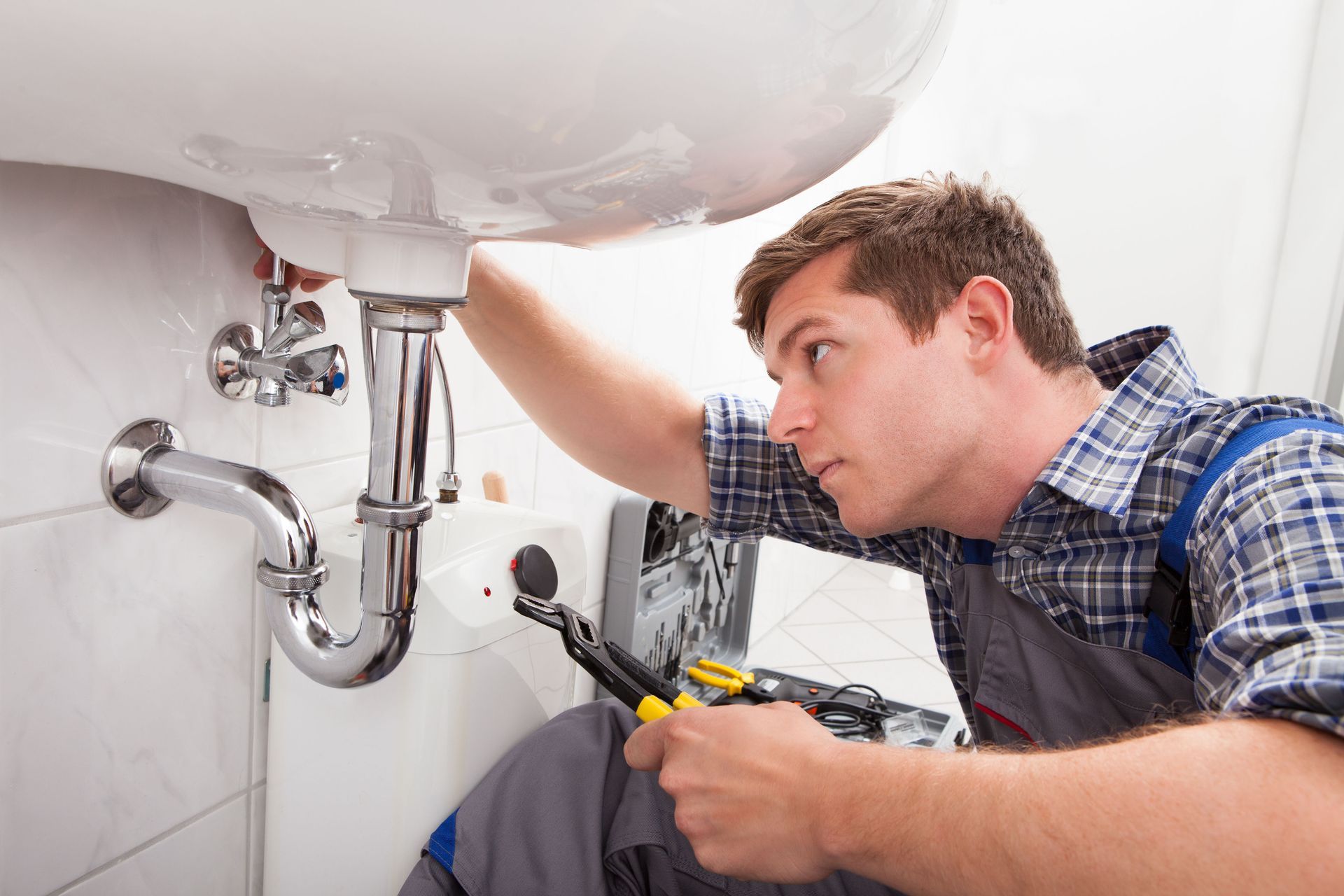
Professional plumbers play an important role in preventative care. Their training allows them to evaluate systems thoroughly and identify vulnerabilities before they become severe. With specialized tools such as pipe cameras and pressure gauges, plumbers can locate hidden leaks or buildup inside pipes. A dependable plumbing service can also create maintenance schedules tailored to the needs of a specific home. These professional evaluations provide peace of mind and help ensure every component of the system operates properly.
2. Identifying Plumbing Issues Early
Recognizing Warning Signs
Early warning signs often indicate that a plumbing issue may be developing. Unusual pipe noises, persistent damp areas, or unexplained water stains can signal underlying problems. Slow drainage in sinks and tubs frequently indicates partial blockages within pipes. Rust or corrosion on exposed plumbing components may also suggest aging materials that require attention. Paying attention to these warning signs allows homeowners to address issues before they escalate into larger repairs.
The Value of Regular Inspections
Routine inspections provide an opportunity to evaluate the entire plumbing network within a home. During these assessments, professionals examine pipes, valves, and appliances to identify inefficiencies or early signs of deterioration. Older homes especially benefit from consistent inspections because aging pipes may deteriorate over time. Homeowners who schedule regular evaluations with a plumbing service are more likely to discover minor issues before they develop into emergencies.
Preventable Plumbing Problems
Many common plumbing problems can be avoided with consistent maintenance. Drain clogs frequently develop due to hair, grease, or soap residue buildup. Pipe leaks may occur when joints loosen or corrosion weakens materials. Toilets can begin running continuously when internal parts wear down. Addressing these issues early prevents extensive water damage and reduces repair expenses. Preventative attention helps homeowners avoid disruptions and maintain system reliability.
Modern Detection Tools
Advancements in plumbing technology have made early detection much easier. Thermal imaging cameras can identify hidden moisture within walls or flooring. Acoustic listening devices allow plumbers to pinpoint leaks by detecting unusual vibrations within pipes. Video camera inspections provide a detailed view of pipe interiors without requiring invasive work. These tools allow professionals to diagnose problems quickly and accurately, helping prevent larger issues.
3. Cost Savings Through Preventative Measures
Emergency Repairs vs. Routine Maintenance
Emergency plumbing repairs are often expensive because they require immediate attention and specialized equipment. Sudden pipe bursts or severe blockages can result in extensive water damage and costly restoration. Preventative maintenance spreads costs across smaller, manageable service visits. Working with a consistent plumbing service helps homeowners plan routine inspections and avoid expensive emergency calls.
Long-Term Financial Advantages
Preventative maintenance delivers significant financial benefits over time. Plumbing fixtures and pipes that receive consistent care tend to last longer than neglected systems. Fewer replacements and repairs translate into long-term savings. Efficient plumbing also reduces water waste and energy consumption, which helps lower monthly utility costs. Over time, these savings accumulate and contribute to better household financial stability.
Simple Preventative Practices
Homeowners can implement several simple habits to support preventative maintenance. Regularly cleaning drain traps helps prevent clogs from developing. Installing water softeners can reduce mineral buildup in pipes and appliances. Insulating exposed pipes protects them from freezing during colder months. These small preventative steps complement professional maintenance and help keep plumbing systems running efficiently.
Insurance Benefits
Preventative maintenance may also provide insurance advantages. Some insurance providers offer discounts to homeowners who maintain documented maintenance records. Homes with properly maintained plumbing systems present a lower risk of major water damage claims. This can lead to reduced premiums and improved coverage options. Preventative care benefits both homeowners and insurance providers by minimizing potential damage.
4. Extending Plumbing System Lifespan
Protecting Plumbing Fixtures
Regular maintenance helps extend the life of fixtures such as faucets, toilets, and shower components. Mineral deposits and sediment buildup can cause gradual deterioration if left untreated. Cleaning fixtures and replacing worn washers helps maintain consistent water flow and performance. Preventative maintenance ensures fixtures remain functional and visually appealing for longer periods.
Preventing Component Failure
Plumbing systems consist of numerous components including pipes, valves, and connectors. Over time, these components may weaken due to corrosion or pressure fluctuations. Routine inspections allow professionals to identify worn components before failure occurs. Replacing small parts early helps prevent larger system disruptions and extends overall plumbing longevity.
Water Heater Efficiency
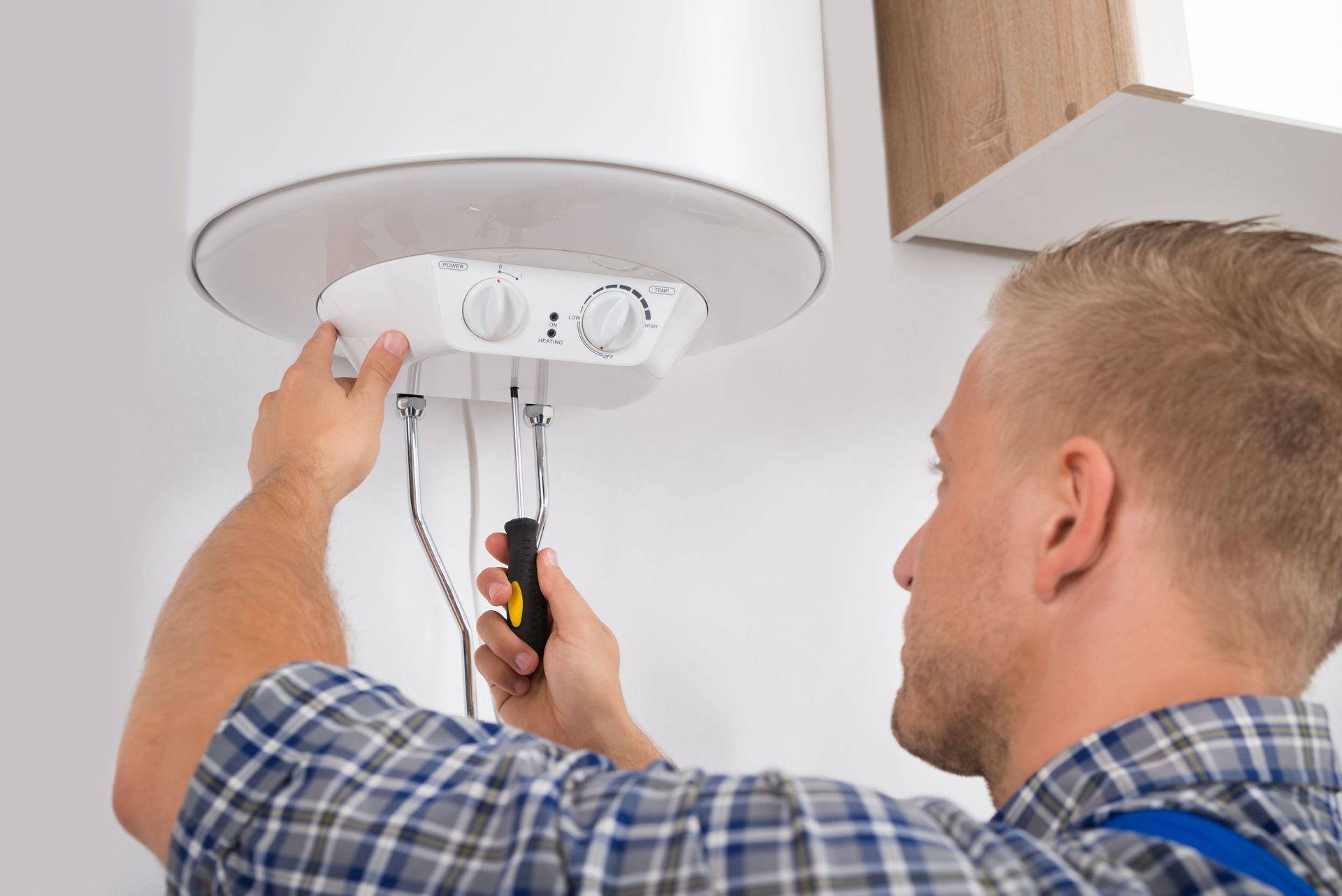
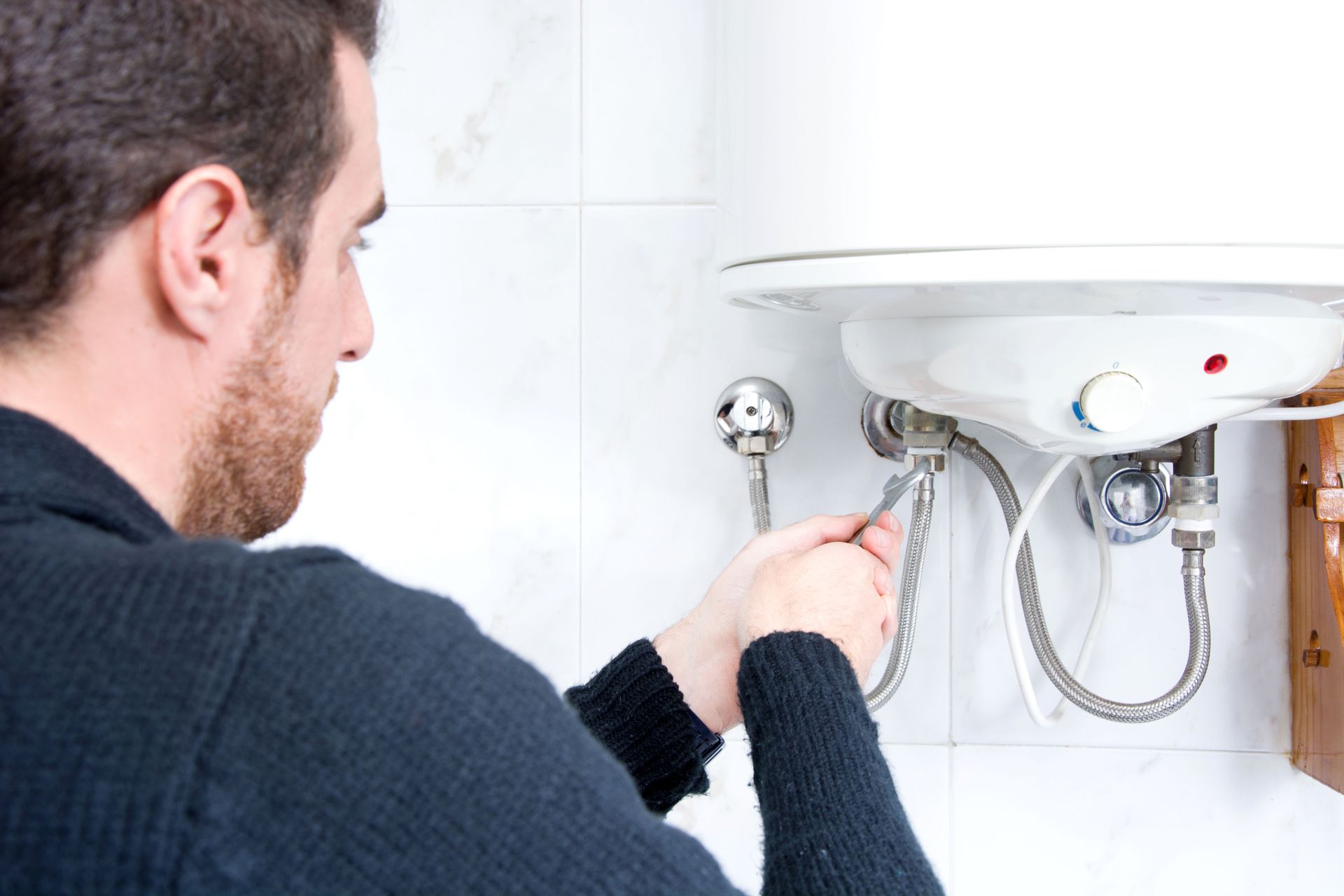
Water heaters benefit greatly from routine maintenance. Sediment buildup inside tanks reduces heating efficiency and shortens appliance lifespan. Flushing water heaters periodically helps remove this sediment and maintain consistent heating performance. Proper maintenance also helps detect worn components such as heating elements or pressure valves before they fail.
Cleaning and Flushing Practices
Regular cleaning and flushing are essential elements of preventative maintenance. Clearing debris from pipes prevents buildup that can restrict water flow. Drain cleaning helps eliminate grease and residue accumulation. These practices support consistent performance and reduce the likelihood of major blockages. Maintaining cleanliness within plumbing systems improves reliability and sanitation.
Preventative plumbing service is a valuable investment that protects both property and financial stability. Through routine inspections, early detection, and consistent maintenance, homeowners can reduce the likelihood of plumbing emergencies. Preventative care extends the lifespan of fixtures and appliances, conserves water, and improves overall efficiency. By working with experienced professionals and adopting proactive maintenance habits, homeowners can maintain a dependable plumbing system that performs reliably for years to come. Contact Tru-Flo Plumbing today and learn more about our plumbing services.