July 28, 2026
Purchasing a home represents a monumental milestone filled with excitement, opportunity, and ongoing domestic responsibilities. Among the many systems that keep a household running smoothly, the domestic water supply and wastewater infrastructure demand continuous care and attention. New property owners frequently underestimate the complexity of residential water lines, fixture connections, and drainage networks until an unexpected malfunction occurs. Understanding how these intricate networks function allows homeowners to protect their financial investment and preserve household comfort. Establishing a regular oversight routine ensures that minor issues remain manageable rather than evolving into structural catastrophes. According to the Plumbing-Heating-Cooling Contractors Association, routine plumbing maintenance can reduce emergency service calls by more than 50% in residential properties. By prioritizing preventative care, property owners cultivate a safe living environment while safeguarding their building structure from insidious moisture damage. Partnering with professionals who deliver reliable plumbing services further empowers residents to navigate unexpected challenges with complete confidence.
Locating Main Water Shutoff Valves
Every resident must know the exact location of the primary water valve that controls the supply entering the house. In crisis scenarios involving sudden pipe bursts or overflowing fixtures, swiftly turning off this central valve prevents catastrophic indoor flooding. Most residential shutoff mechanisms reside near the main water meter, inside a basement utility room, or along the exterior front wall. Taking time during the move-in process to identify this mechanical control protects valuable flooring, drywall, and personal possessions from severe moisture destruction.
Testing the shutoff valve periodically ensures that the handle turns smoothly without excessive force or physical resistance. Older brass gate valves often stiffen over extended periods, making them difficult to operate during an actual emergency. Replacing aging valves with modern ball valve designs provides dependable reliability when immediate action becomes necessary. Homeowners who feel uncertain about testing these crucial mechanisms can schedule routine assessments with experts offering professional plumbing services.
Inspecting Visible Pipe Connections
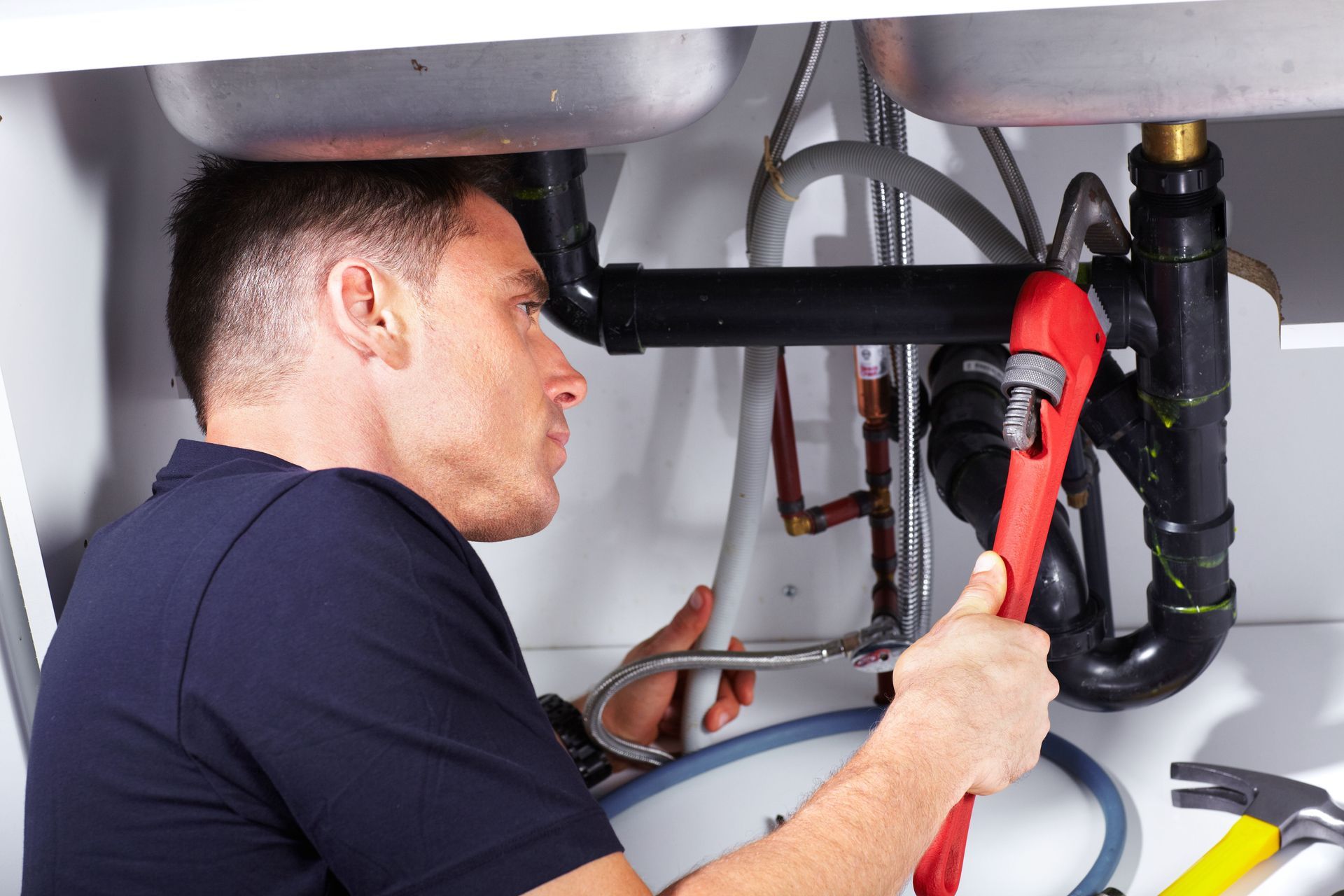
Regular visual inspections of accessible piping underneath sinks, around appliances, and throughout exposed basement ceilings reveal early signs of deterioration. Slow drips, mineral encrustation, discoloration, and small puddles indicate subtle leaks that gradually undermine cabinet materials and floor joists. Moisture accumulation inside enclosed vanity cabinets often breeds mold growth long before physical water damage becomes blatantly obvious to occupants. Early detection of minor seepage allows homeowners to address localized hardware failures before widespread structural decay occurs.
Examining flexible supply lines connected to washing machines, dishwashers, and toilets represents another critical protective measure. Standard rubber hoses degrade over time, expanding under continuous water pressure until sudden rupture takes place. Upgrading outdated rubber lines to durable braided stainless steel flexible hoses significantly reduces the likelihood of sudden indoor floods. Utilizing comprehensive plumbing services allows property owners to verify line integrity and replace worn connectors with high-quality components.
Monitoring Home Water Pressure Levels
Excessive municipal water pressure exerts relentless mechanical stress upon domestic pipes, internal valves, and household appliances. While strong shower flow feels invigorating, elevated pressure causes hidden joint stress, pinhole leaks, and premature appliance failure. Installing a simple pressure gauge on an outdoor hose bib reveals whether incoming pressure exceeds safe structural thresholds. Maintaining moderate force protects delicate interior plumbing components while conserving overall domestic consumption.
When supply lines exhibit excessive force, installing a dedicated pressure-reducing valve restores system balance across the residence. Unregulated pressure also triggers noisy pipe vibrations known as water hammer, which damages internal pipe fastenings over time. Adjusting or replacing pressure regulators requires technical expertise and precision calibration to ensure balanced flow throughout the home. Entrusting these balance adjustments to certified technicians who supply complete plumbing services prevents unexpected pipe stress and prolongs fixture longevity.
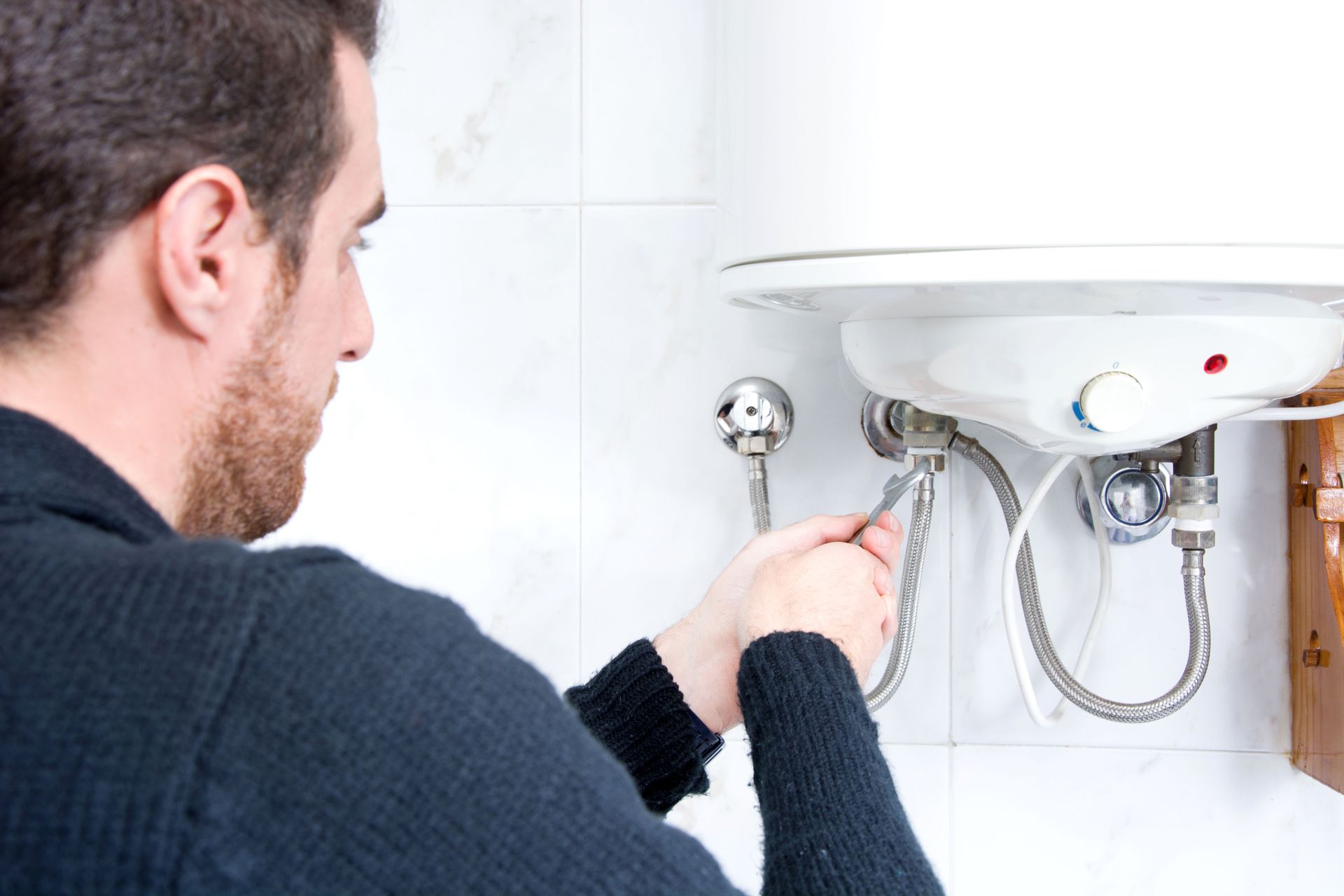
Flushing Tank Water Heating Units
Sediment, scale, and mineral deposits naturally accumulate at the bottom of traditional water heater tanks during normal daily operation. Over time, this dense sediment layer insulates the heating element from incoming cold water, reducing overall thermal efficiency and accelerating tank bottom corrosion. Popping or rumbling noises emanating from the tank during heating cycles serve as clear warning signals that heavy sediment buildup exists. Draining the tank periodically flushes accumulated debris out, restoring heating speed and maximizing operational energy efficiency.
Maintaining temperature and pressure relief valves on water heaters represents another vital maintenance duty for household safety. These safety valves release internal pressure if temperatures or forces inside the tank reach dangerous levels. Testing the valve lever periodically confirms that the internal spring releases smoothly without leaking afterward. Homeowners seeking guidance on proper water heater maintenance frequently rely on expert plumbing services to conduct thorough annual system flushing and safety checks.
Cleaning Domestic Drainage Lines
Proper management of household drains prevents stubborn blockages that back up wastewater into sinks, tubs, and showers. Kitchen drains regularly collect grease, oil, food remnants, and soap scum that solidify along interior pipe walls. Bathrooms suffer from hair accumulation, toothpaste residue, and heavy mineral soap deposits that restrict fluid discharge. Educating household members about what may safely enter drains stops major obstructions before they form within main waste pipes.
Chemical drain clearers contain harsh caustic compounds that corrode metallic pipes and degrade modern plastic connections over time. Using natural enzymatic treatments or mechanical drain snakes offers a far safer alternative for dissolving organic buildup inside household lines. When deep main sewer line blockages occur, standard household tools prove insufficient for restoring proper flow. Contacting qualified specialists who provide advanced plumbing services ensures thorough line clearing without risking structural pipe damage.
Protecting Outdoor Household Fixtures
Outdoor spigots, garden hose connections, and subterranean sprinkler systems require seasonal preparation to prevent severe freeze damage. When winter cold arrives, trapped water inside exterior pipes expands forcefully, splitting metal pipes and bursting brass valve bodies. Detaching garden hoses before freezing weather begins allows water to drain properly from exterior wall hydrants. Closing interior shutoff valves leading to outdoor spigots provides an extra layer of protection against freezing conditions.
Insulating exposed exterior pipes and vulnerable crawlspace plumbing with foam pipe sleeves prevents winter frost penetration. Hose bib covers attached to exterior spigots shield internal mechanisms from biting winds and freezing temperatures. Taking seasonal precautions shields the household infrastructure from massive structural leaks when spring thaw arrives. Homeowners seeking complete peace of mind during seasonal shifts benefit greatly from seasonal tune-ups offered by full-service plumbing services.
Maintaining Proper Ventilation Systems
Proper plumbing ventilation serves as an often overlooked element of residential drainage infrastructure. Roof vent stacks equalize pressure within the drainage network, allowing wastewater to flow freely without creating vacuums that siphon water from trap seals. When vent pipes become obstructed by leaves, bird nests, or ice buildup, drains slow down and sewer gases enter living spaces. Inspecting rooftop vents regularly ensures that sewer gases dissipate safely outdoors while maintaining smooth drainage flow throughout the structure.
Clearing vent blockages requires specialized roof access and proper safety equipment to clean line obstructions efficiently. Damaged vent pipes inside attic spaces can also release moisture and noxious odors into household insulation layers. Identifying ventilation problems early prevents persistent foul odors, gurgling drain sounds, and sluggish drainage performance across multiple fixtures. Professional technicians delivering specialized plumbing services quickly locate ventilation restrictions and restore ideal air balance within the drainage network.
Mastering residential water management represents an ongoing responsibility that pays rich dividends in property value preservation, peace of mind, and financial savings. By conducting routine visual inspections, monitoring supply pressure, clearing drainage pathways, and preparing fixtures for seasonal changes, homeowners can easily prevent costly property destruction. Taking proactive steps today ensures that household systems remain efficient, clean, and reliable for many years to come. Whenever complex challenges arise or preventative routine maintenance is required, safeguard your investment by contacting Tru-Flo Plumbing.