August 24, 2026
A reliable home heating system is essential for maintaining comfort and cleanliness throughout the year. Hot water powers morning showers, cleans dishes, and washes clothes, making it one of the most critical utility resources in any residence. When an aging unit begins to fail or suffers an unexpected breakdown, homeowners are often forced to make rapid decisions about replacements.
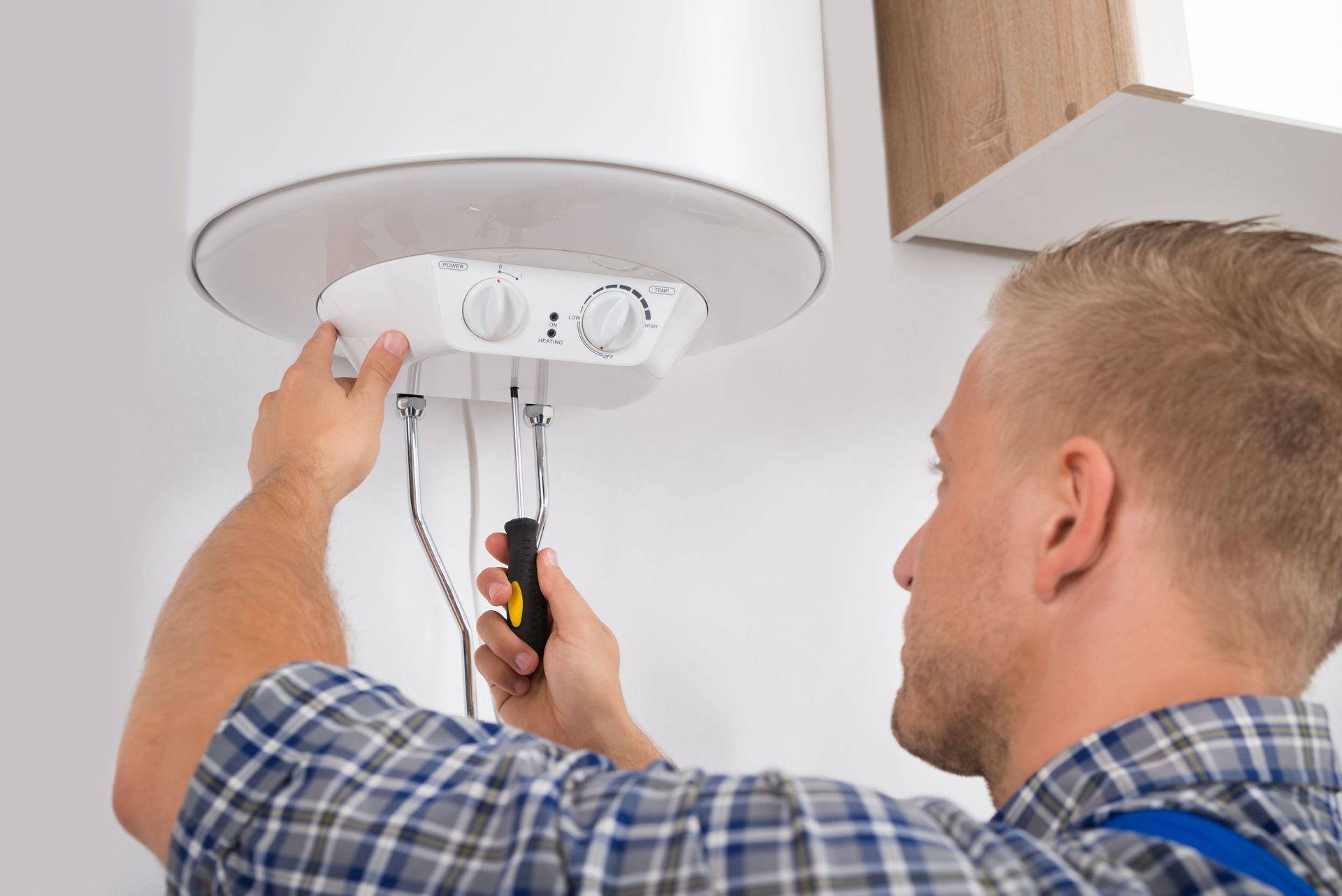
Navigating the installation process involves understanding equipment specifications, operational expenses, and local safety requirements. Investing in a modern heating appliance is a significant financial decision that impacts monthly energy bills for over a decade. Engaging a certified water heater service early in the planning stage helps clarify complex technical details and ensures system compatibility with your home. By asking targeted questions beforehand, you can identify the perfect balance of immediate affordability and long-term operating costs while avoiding unnecessary mechanical surprises down the road.
1. Is It Time to Replace or Repair My Current Unit?
The first step in evaluating your options is determining whether your existing appliance can be economically saved. Minor leaks, minor valve replacements, or simple heating element repairs can often extend the life of an otherwise functional appliance for a few years. However, older units frequently develop hidden structural weakness, heavy sediment buildup, and inner tank corrosion that cannot be fixed safely. Deciding between another temporary repair and a total system upgrade requires assessing total age, operating history, and recent performance consistency.
According to HomeGuide, it is best to replace a water heater if it has passed its 10-year mark or if repairs will cost more than half of what a new unit would cost. Persistent leaks around the base of the tank usually indicate internal liner failure, making immediate replacement the safest option. Regular inspection by a professional water heater service can help diagnose underlying mechanical issues and guide your final replacement timing. Investing in a brand-new, high-efficiency model is generally far more cost-effective than repeatedly paying for temporary repairs on an outdated appliance.
2. What Type of Water Heater Is Best Fit for My Household?
Selecting the right equipment architecture is a critical choice when upgrading your home heating infrastructure. Traditional tank-style systems remain a popular option due to lower upfront purchasing costs and straightforward mechanical designs. These units maintain a steady reservoir of preheated water day and night, ensuring hot water is available instantly whenever a faucet is turned on. However, continuous tank heating leads to standby energy loss, which increases overall monthly utility costs over time.
On-demand tankless configurations present a modern alternative by heating water directly as it flows through the internal heating coils. These compact devices eliminate standby thermal losses and provide continuous streams of hot water without running out. Hybrid heat pump models represent another highly efficient option, utilizing ambient surrounding air to heat the internal water reservoir. Consulting an experienced water heater service allows homeowners to carefully evaluate which system architecture fits their budget, space constraints, and hot water delivery demands.
3. What Size and Capacity Does My Home Require?
Choosing an appropriately sized appliance ensures your household enjoys continuous comfort without wasting energy on excessive storage capacity. A tank unit that is too small will run out of warm water during peak morning hours, leaving family members with uncomfortable cold showers. Conversely, installing an oversized storage unit wastes money by constantly maintaining excessive volumes of unused hot water. Sizing standard storage systems involves calculating first-hour ratings, which measure the total volume of hot water a unit can produce during busy usage periods.
Tankless systems require a different sizing calculation based on maximum peak demand measured in gallons per minute, alongside required temperature rise. Temperature rise reflects the difference between incoming groundwater temperature and your desired output temperature at the tap. Homes in colder northern climates require higher heating capacity to warm up chilly incoming groundwater. Partnering with a reliable water heater service ensures precise sizing calculations based on total bathrooms, appliances, and peak household usage patterns.
4. What Fuel Source Is Most Cost-Effective for My Location?
The fuel source powering your hot water system directly dictates monthly operating expenses and overall utility performance. Electric units are widely popular because they feature lower upfront purchasing costs and simpler installation requirements. They do not require specialized exhaust venting pipes or natural gas connections, making them adaptable to almost any room layout. However, in regions with high electricity rates, running a high-wattage electric heating element can result in higher long-term utility costs.
Natural gas and propane models generally cost more to install initially but offer lower monthly energy costs in many regions. Gas appliances also feature faster recovery rates, meaning they can reheat a depleted storage tank much faster than standard electric units. Switching between different fuel sources during a replacement involves updating electrical panels, gas piping, or ventilation ductwork. Scheduling a site assessment with a dedicated water heater service helps clarify whether modifying your home fuel infrastructure yields genuine long-term savings.
5. What Are the Expected Operating Costs and Energy Ratings?
Looking past the initial retail price tag helps you understand the true lifetime cost of operating a new home heating unit. Energy efficiency standards have advanced significantly over recent years, allowing modern appliances to deliver identical performance while consuming far less fuel. Comparing yellow EnergyGuide labels provides clear estimates of annual electricity or gas consumption for various models. Units bearing the Energy Star certification meet strict efficiency benchmarks set by environmental agencies, translating directly to lower monthly power bills.
Evaluating overall efficiency involves looking at Uniform Energy Factor ratings, where higher numbers indicate superior energy conversion. Higher-efficiency appliances often come with higher purchase prices, but the cumulative energy savings frequently recoup that extra cost over several years. Many local utility companies also offer attractive cash rebates and tax credits for installing top-tier efficient systems. An experienced water heater service can highlight eligible rebates and perform detailed operating cost comparisons across different equipment categories.
6. What Warranties and Long-Term Protection Are Included?
A new water heating appliance is a major long-term investment that deserves comprehensive warranty coverage. Manufacturer warranties typically cover critical components, including the internal storage tank and heating elements, for periods ranging from six to twelve years. Longer warranty periods generally indicate higher-grade internal manufacturing materials, such as thicker insulation, stronger steel, and larger protective anode rods. It is essential to understand what specific parts are covered and under what conditions the warranty remains valid.
In addition to factory warranties on parts, installation craftsmanship should be backed by a separate labor warranty provided by your contractor. Professional installation guarantees that electrical connections, gas fittings, and plumbing pipes adhere strictly to modern building standards. Subscribing to routine maintenance from a certified water heater service keeps factory warranties intact and prevents premature mechanical breakdown. Reviewing warranty details carefully before making a purchase ensures long-term protection against unexpected material defects.
7. What Installation Modifications Will My Home Need?
Replacing a water heater involves more than simply swapping out old equipment for a new box. Modern building codes and safety regulations evolve constantly, meaning your current plumbing setup may require upgrades during a new installation. Modern codes often require thermal expansion tanks, dedicated discharge piping, main shut-off valves, and protective drip pans to prevent accidental water damage. Upgrading from a standard tank to a high-efficiency tankless unit may also necessitate larger gas supply lines and upgraded electrical circuits.
Ventilation rules for gas-powered systems have also tightened, often requiring specialized non-metallic direct venting materials routed through side walls. Neglecting these mechanical modifications can create serious safety hazards, compromise system efficiency, and void valid warranty claims. Hiring a licensed water heater service guarantees that all electrical, gas, and plumbing installations comply fully with municipal building safety codes. Asking about potential site modification costs ahead of time avoids unexpected installation expenses and ensures a smooth setup process.
Investing in a new hot water appliance is one of the most impactful decisions you can make for your home's comfort, energy performance, and monthly utility expenses. By thoroughly examining your household's usage demands, evaluating fuel types, understanding sizing requirements, and reviewing safety and warranty factors, you can make an informed choice that delivers reliable performance for years to come. When you are ready to upgrade your home's hot water system with complete confidence, contact Tru-Flo Plumbing today to schedule your expert consultation and professional installation.