September 22, 2026
Tankless and traditional water heaters provide the same essential service, but they heat and store water in very different ways. A traditional unit keeps a supply of heated water inside an insulated storage tank, allowing hot water to be available when a faucet or appliance is turned on. A tankless model heats water as it moves through the system, so there is no large reservoir that must remain heated between uses. These design differences affect energy use, available space, hot water delivery, maintenance considerations, and the way each system fits a household's daily demands.
Understanding these differences can help homeowners have more productive conversations with plumbing professionals before selecting a replacement. Professional water heater services can include evaluating the existing system, considering household usage patterns, and determining which type of equipment is appropriate for the property. The right choice depends on factors such as household size, peak hot water demand, available installation space, and existing plumbing infrastructure. Comparing the systems based on these practical considerations can make the replacement process more straightforward.
Evaluate Energy Use and Heating Efficiency
Energy consumption is one of the most noticeable differences between the two technologies. Traditional storage heaters periodically activate to keep stored water at the desired temperature, even when no hot water is being used. Tankless systems generally avoid this standby heating because they operate when hot water is needed. According to HomeGuide, tankless water heaters use about 8% to 34% less energy than standard tank models in the average household, although actual savings can vary with usage, equipment, and operating conditions.
Energy efficiency should be considered alongside the property's overall hot water needs. A household that uses hot water throughout the day may have different requirements from a smaller household with limited demand. Professional water heater services can help assess existing consumption patterns and equipment performance before a replacement is selected. This evaluation provides useful context when comparing how each system may operate within a specific home.
Compare Hot Water Availability and Capacity
Storage tanks have a defined capacity because they can hold only a certain amount of heated water at one time. When several people shower, wash dishes, or operate appliances close together, the stored supply can become depleted and require time to recover. Tankless systems do not have the same fixed storage capacity because they heat water as it flows through the unit. However, their output is still limited by the system's flow rate and ability to raise incoming water to the required temperature.
A property with frequent simultaneous hot water use may require equipment designed to handle substantial flow, while another home may have more moderate requirements. Qualified water heater services can help identify peak-demand patterns and evaluate whether a proposed system can meet them. Understanding capacity in practical terms is more useful than assuming one technology will automatically perform better in every household. Equipment should be selected according to the property's actual water heating needs.
Assess Installation Space and Equipment Placement
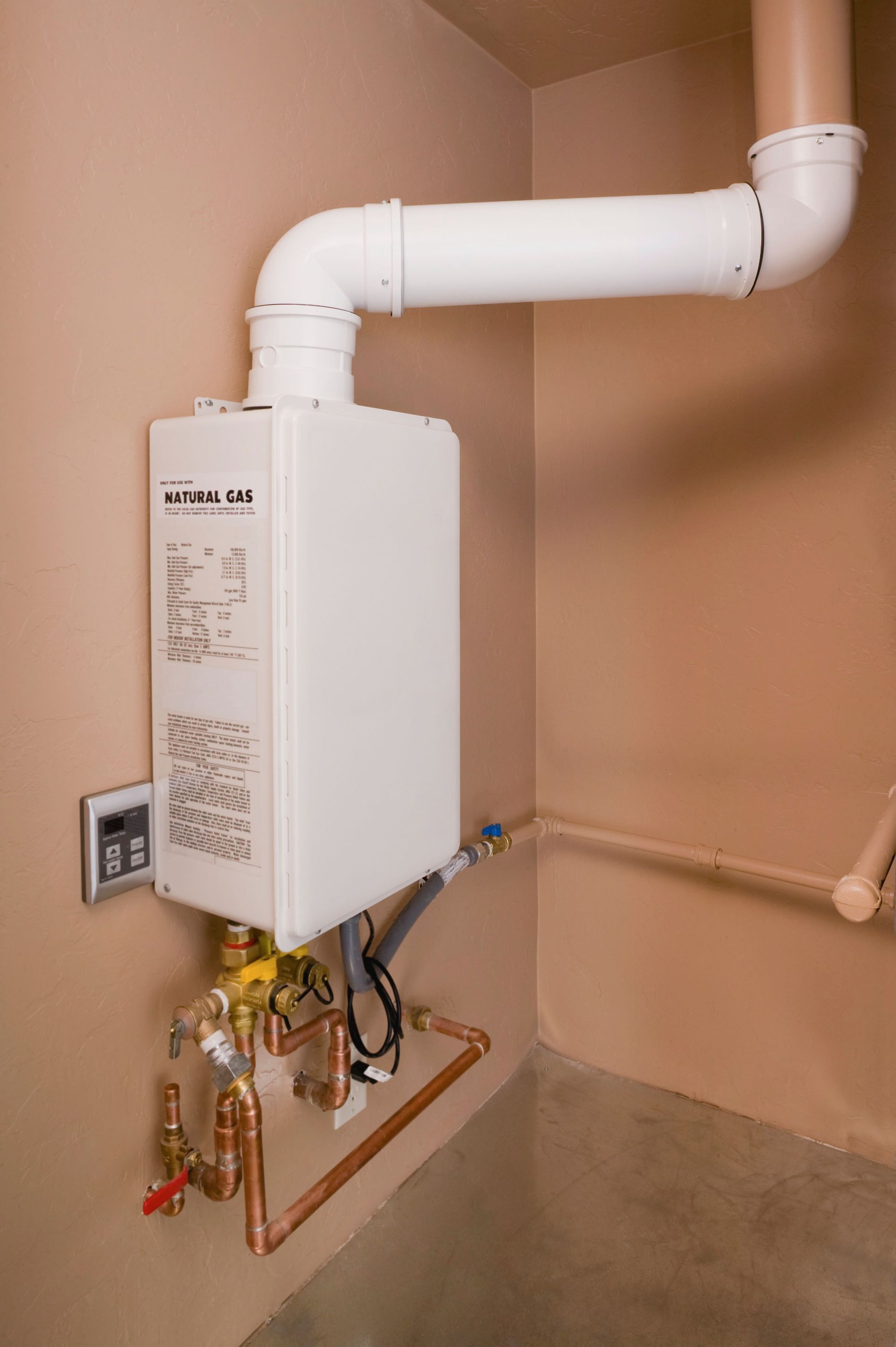
Traditional water heaters typically require a dedicated area large enough to accommodate the storage tank and associated connections. That physical footprint can influence where the equipment is installed, particularly in homes with limited utility-room space. Tankless units are generally smaller and mounted on a wall, which can create additional flexibility for certain properties. Their compact design may be useful when homeowners are reconsidering how mechanical equipment is arranged.
Size alone, however, does not determine whether a tankless system can be installed in a particular location. Venting, fuel type, electrical requirements, water connections, and manufacturer specifications can all affect placement. Professional water heater services can include an assessment of the proposed installation area and the infrastructure needed for the selected equipment. Reviewing these requirements before installation can reduce surprises and help ensure the new system is properly integrated with the home.
Examine Recovery Speed and Household Demand
Recovery behavior is another important difference between the systems. Once a traditional tank's stored hot water is depleted, the heater must warm additional water before the full supply is restored. Tankless equipment can continue heating incoming water while there is demand, subject to its rated flow and capacity. This can change how a household experiences hot water during periods of heavy use.
Neither design eliminates the need to match equipment to demand. A tankless unit that is undersized for the household may struggle when multiple fixtures operate at the same time, while an oversized storage tank may occupy unnecessary space. Experienced water heater services can evaluate fixture demand and recommend equipment based on the home's actual requirements. Proper sizing is therefore a central consideration regardless of which technology a homeowner selects.
Review Maintenance and System Longevity
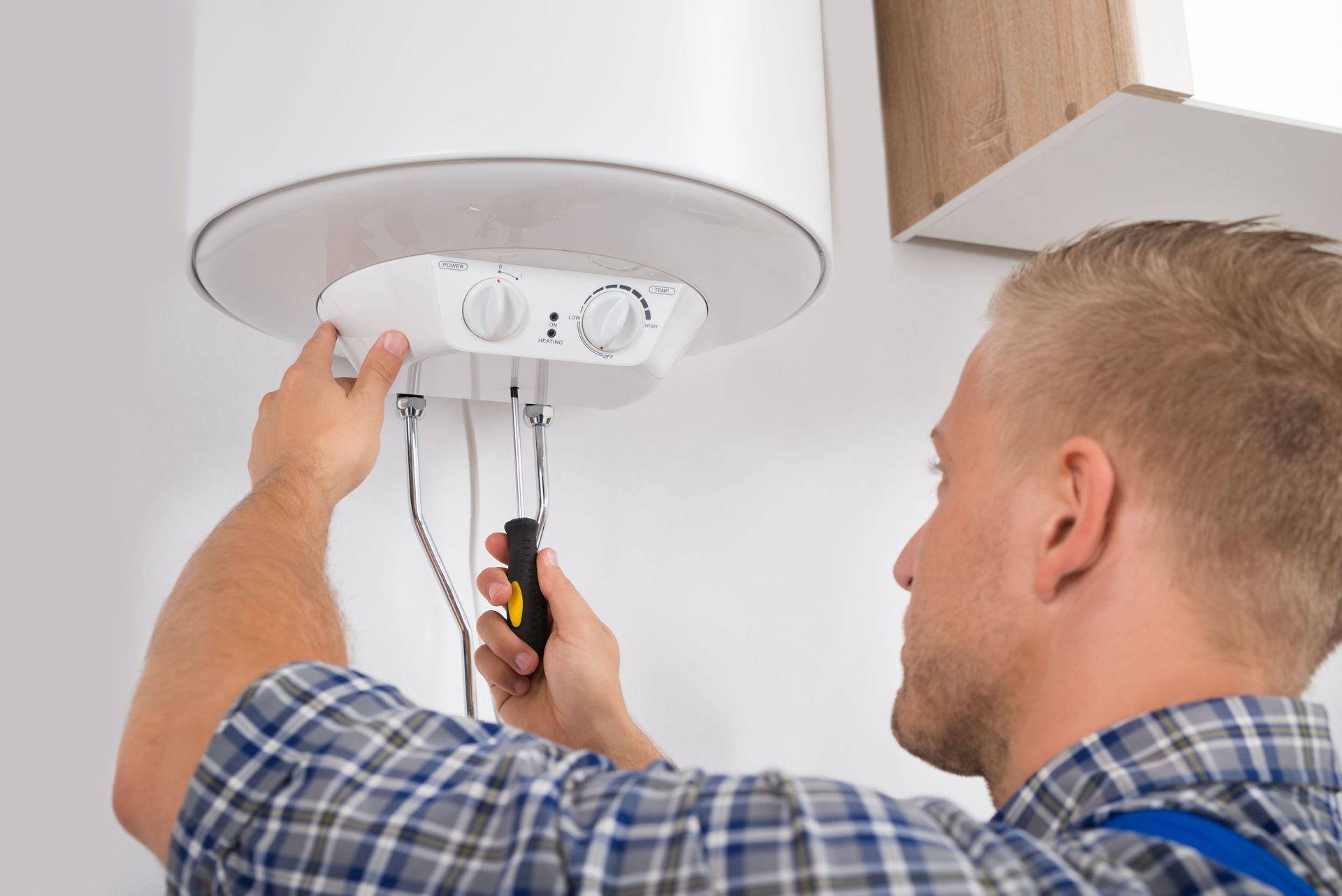
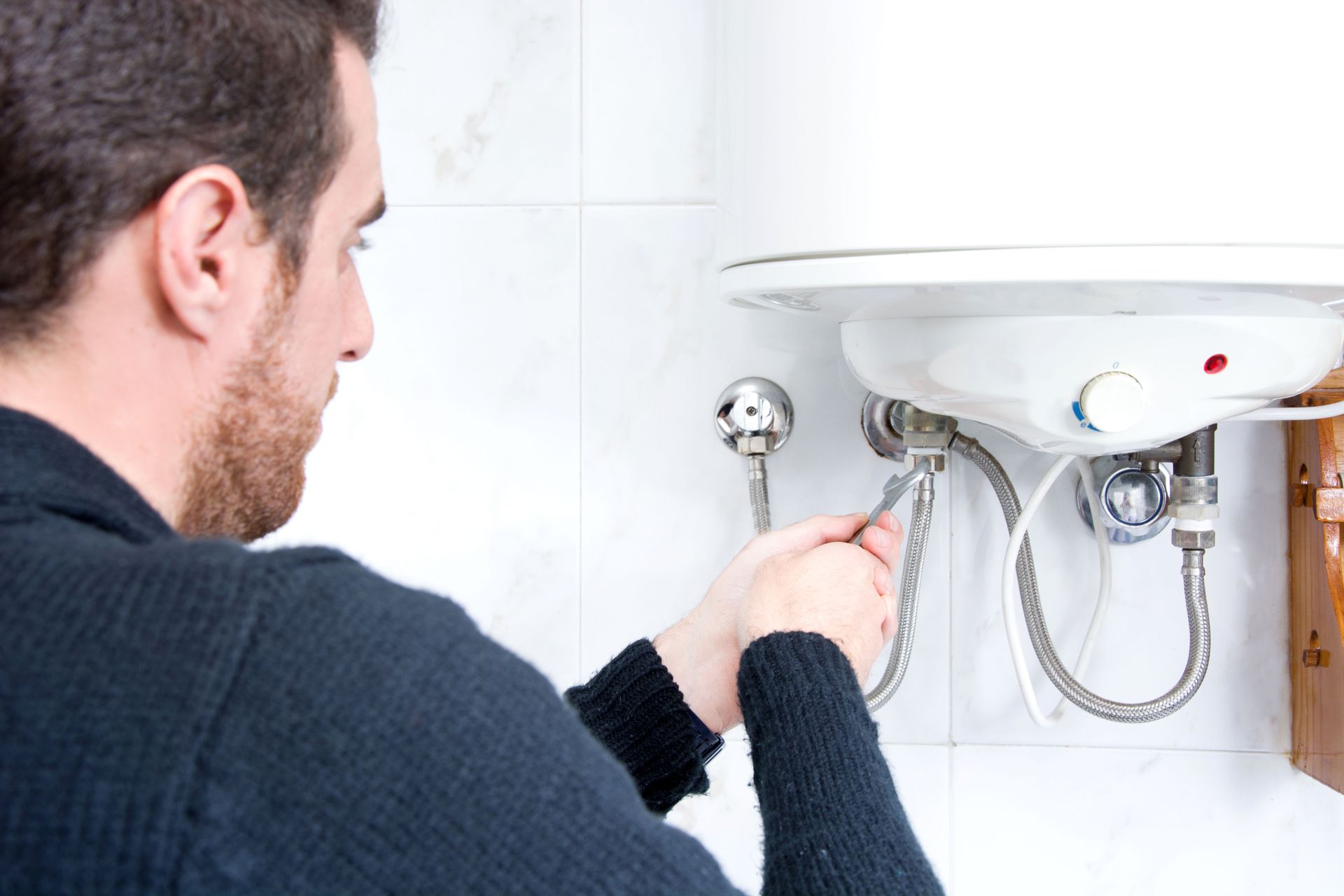
Both types of water heaters require attention to maintain reliable operation, although the specific service requirements can differ. Traditional tanks can accumulate sediment inside the storage vessel, while components such as heating elements, burners, valves, and anode rods may require inspection depending on the system. Tankless units can also require periodic attention to components and internal passages, particularly in areas with hard water. Manufacturer recommendations and local water conditions can influence the appropriate maintenance schedule.
Consider Fuel Type and Utility Requirements
The home's available utilities can narrow the range of practical water heater options. Traditional and tankless models may be available in gas or electric configurations, but specific equipment can have different electrical, gas, venting, or circuit requirements. A property may need infrastructure modifications before a particular model can be installed. These requirements should be evaluated as part of the overall equipment selection rather than treated as an afterthought.
Professional water heater services can help determine whether the home's existing connections are suitable for the proposed equipment. A plumbing professional can also identify installation considerations that may not be obvious from the unit's physical dimensions alone. Matching the heater to the property's available utilities supports proper operation and helps avoid selecting equipment that does not fit the home's infrastructure. This is especially important when changing from one water heating technology to another.
Compare Comfort, Convenience, and Usage Patterns
Household schedules should be considered before making a replacement decision. Morning showers, laundry, dishwashing, and other activities can create periods of concentrated demand that affect system performance. Professional water heater services can help translate those routines into equipment requirements. A careful comparison allows homeowners to focus on the characteristics that matter most for their property instead of choosing based only on general claims about either technology.
Weigh Replacement Planning and Long-Term Needs
When replacement becomes necessary, water heater services can provide support throughout the evaluation and installation process. A plumbing professional can review the current system, discuss available options, and identify the practical requirements associated with each technology. This approach helps homeowners make a selection based on the property rather than relying on a one-size-fits-all recommendation. It also provides an opportunity to address installation considerations before work begins.
Selecting a new water heater involves balancing performance, capacity, efficiency, space, utility requirements, and long-term maintenance. The differences between tankless and traditional systems can have a meaningful effect on how a home receives and uses hot water. Professional
water heater services can help homeowners evaluate those differences in the context of their specific property and household needs. A thorough assessment can make it easier to identify an appropriate system and plan the work required for installation.
At Tru-Flo Plumbing, we can help you evaluate your current water heating setup and understand the considerations involved in replacing it. Our team can discuss tankless and traditional options based on your home's hot water demands, available space, and existing plumbing infrastructure. We provide plumbing solutions for evaluation, installation, maintenance, and related water heating needs. Contact Tru-Flo Plumbing to discuss your water heater requirements and plan the next step for your home.